Last updated November 21, 2026
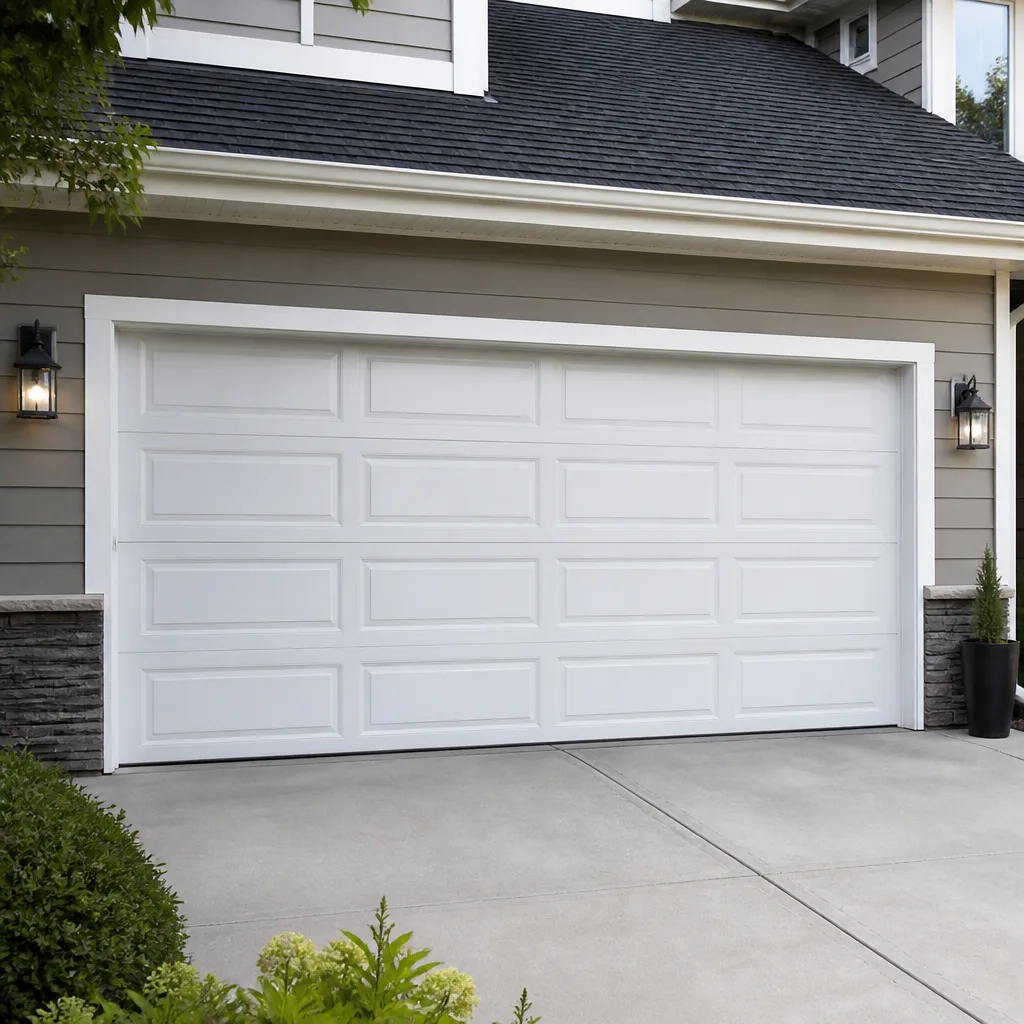 Raised-panel steel
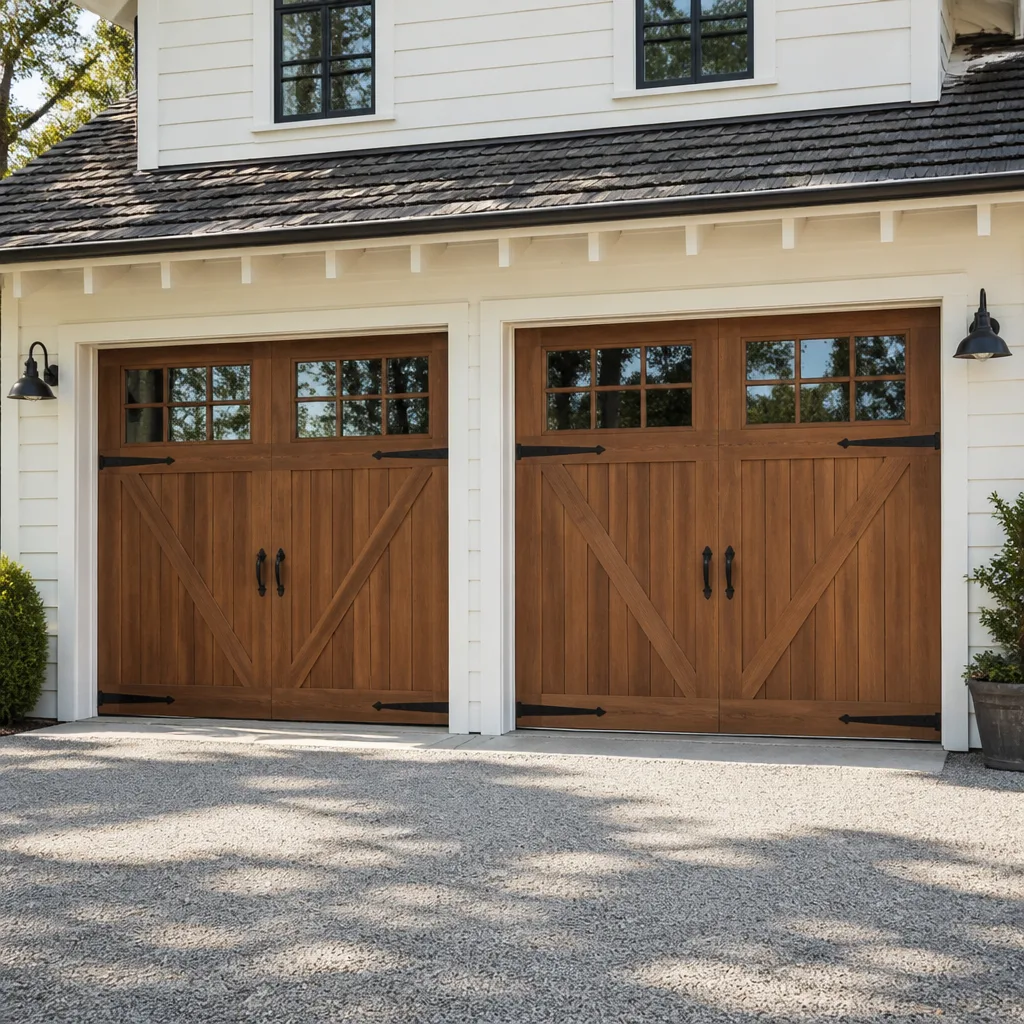 Carriage house
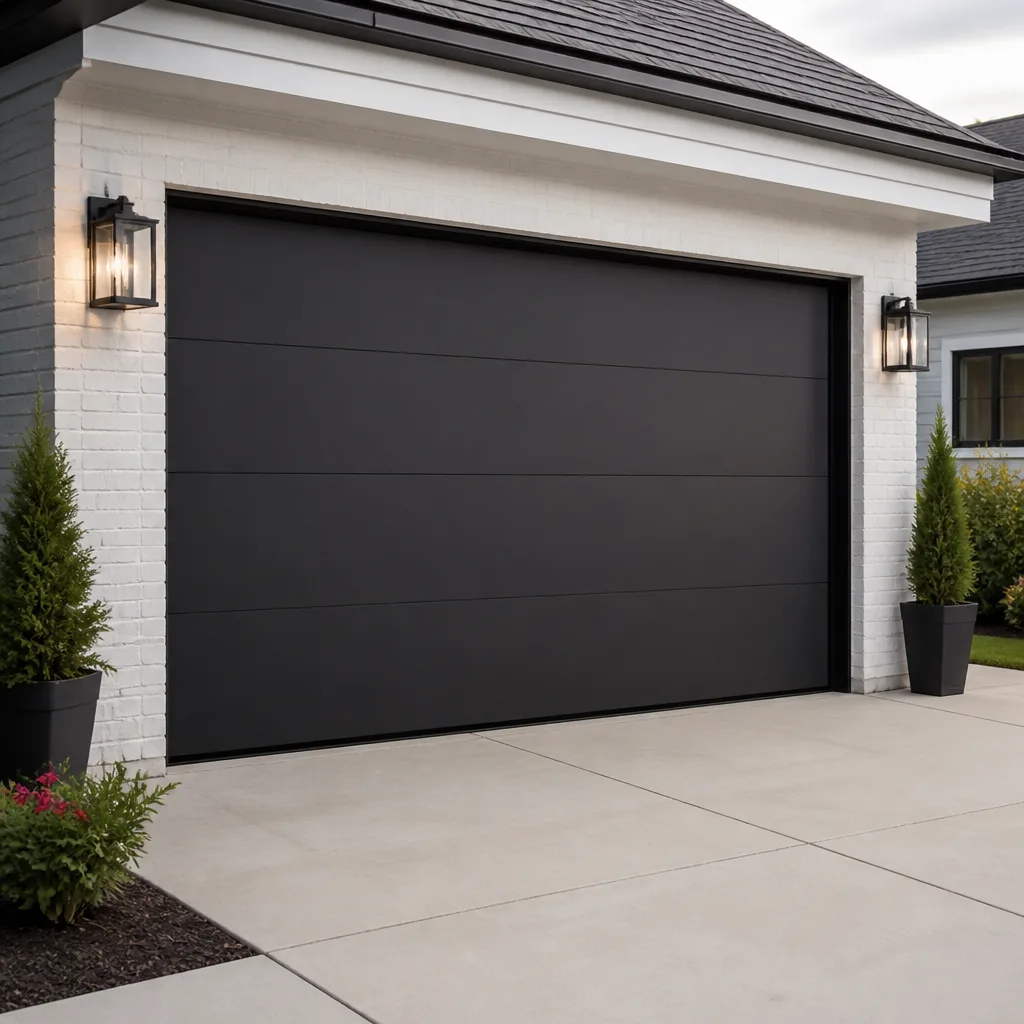 Modern flush
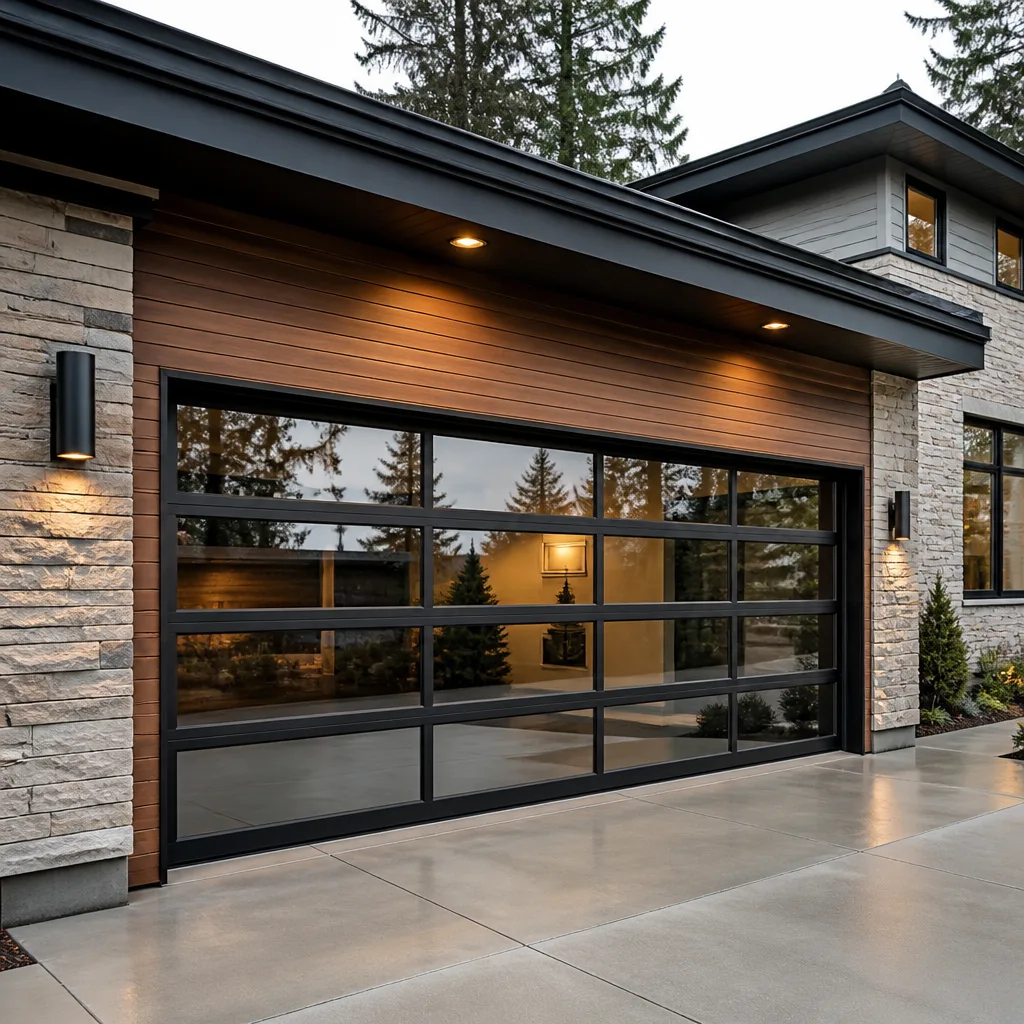 Full-view glass
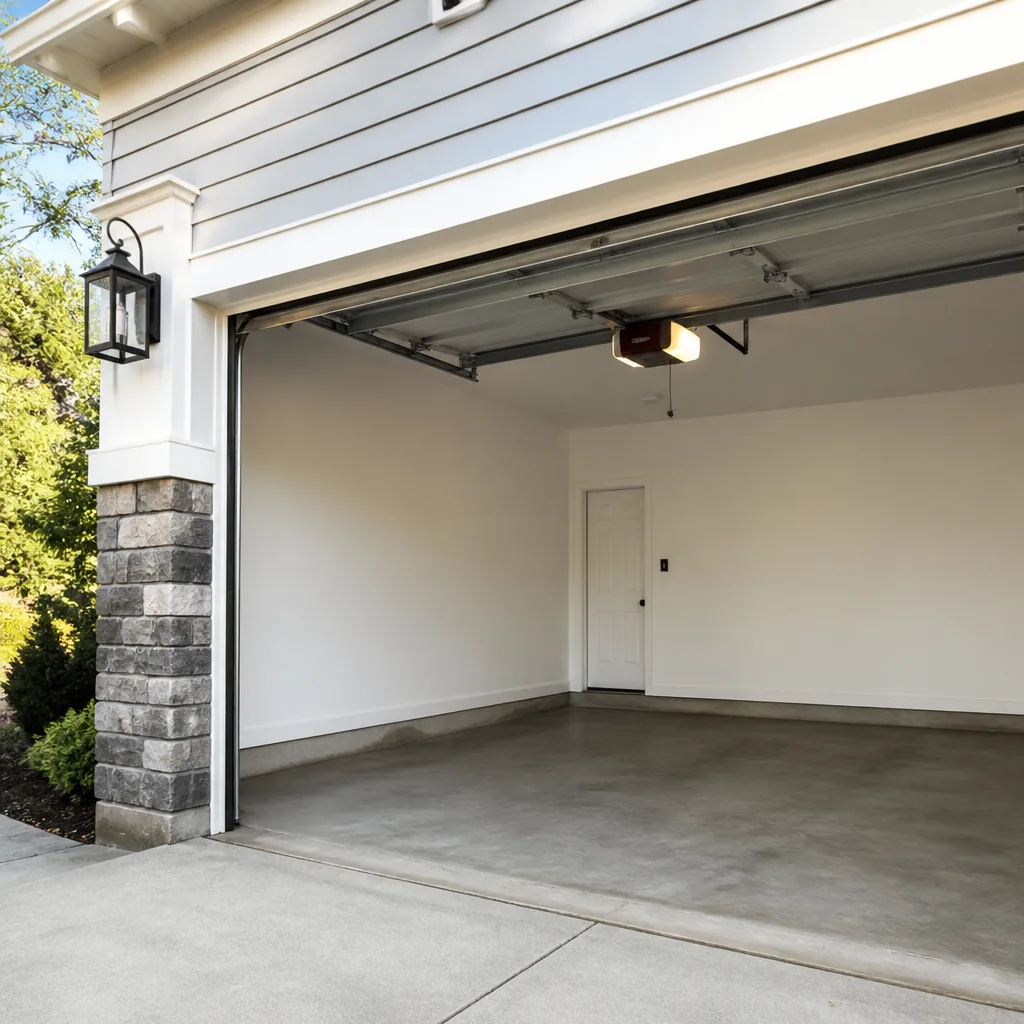 LiftMaster openers
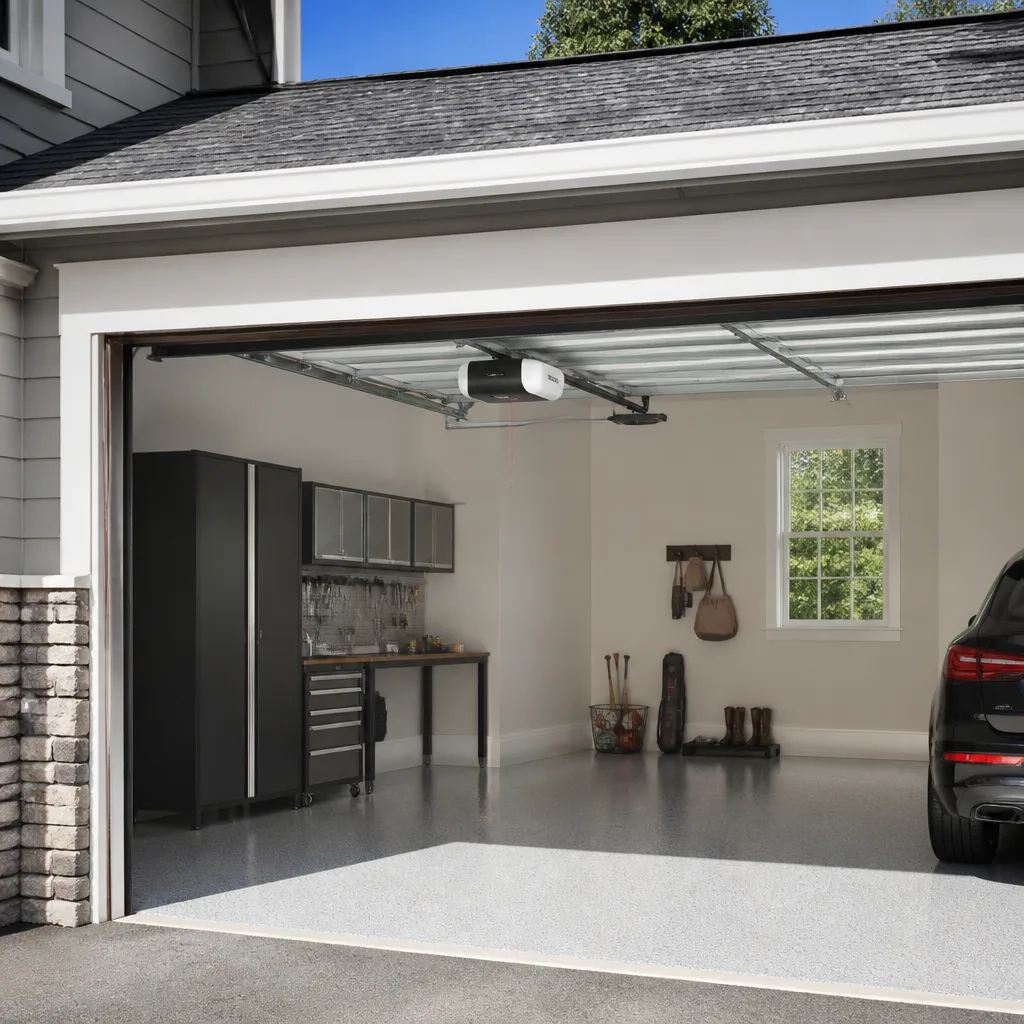 Chamberlain openers
Full 25-point door and opener safety check with every visit - springs, cables, rollers, tracks, and your LiftMaster or Chamberlain opener included
You get a price before we start. It does not change when the pro arrives.
Get your free estimateGarage Door Permits, Codes & Inspections in Yonkers, NY: What You Need to Know
Most Yonkers homeowners assume a garage door replacement is a simple swap: the old door comes off, the new one goes on, and the driveway is clean by dinner. That assumption is where trouble starts. A garage door is a structural, fire-rated, energy-rated opening on your house, and in many cases the City of Yonkers treats a replacement as construction work, not a cosmetic upgrade. Skip the required permit and the problem doesn’t appear at installation. It appears years later, at resale inspection or when you file an insurance claim on a garage fire or a door failure. This guide walks through exactly where the permit line falls in Yonkers, what “like-to-like” really means under local code, how the New York State energy code applies to insulated doors, and what an inspector actually looks at. It’s the information we wish more homeowners had before they signed a contract.
Quick Answer
In Yonkers, NY, a straight like-for-like garage door replacement on a detached garage usually doesn’t require a building permit, but any change to the structural opening, the addition of a new opening, work on a fire-rated wall in an attached garage, or a new power connection for an opener does. Insulated door replacements must still meet New York State Energy Conservation Construction Code requirements. When in doubt, call the City of Yonkers building department and confirm before work starts.
Styles & brands we work with
- Raised-panel steel
- Carriage house
- Modern flush
- Full-view glass
- LiftMaster openers
- Chamberlain openers
Table of Contents
- What Triggers a Building Permit in Yonkers?
- What “Like-for-Like” Replacement Really Means
- How the NYS Energy Code Applies to Insulated Doors
- Fire-Rated Walls and Attached Garages
- How to Pull a Garage Door Permit in Yonkers
- What Inspectors Actually Check
- Resale, Insurance, and the Cost of Skipping It
- Repair vs. Replacement: Where the Permit Line Sits
What Triggers a Building Permit in Yonkers?
A garage door permit in Yonkers is triggered by anything that changes the structure of the opening or the safety envelope of the house, not by the door panel itself. Replacing panels, springs, or rollers on an existing frame is repair work. Changing what holds the frame to the wall, how the opening is built, or whether it’s fire-rated is permit work. That distinction is the single most useful thing to understand before you pick up the phone.
The specific triggers under City of Yonkers code, as we see them in practice, fall into these categories:
- Structural changes to the opening. Widening or raising the header, replacing load-bearing framing, or altering the wall above the door requires a permit and, in most cases, an engineered drawing.
- New openings. Cutting a brand-new garage door opening into an existing wall is new construction, always permitted, always inspected.
- Fire-rated walls in attached garages. The wall or ceiling separating an attached garage from the living space is a fire separation assembly. Any work that penetrates, removes, or replaces part of it, including some full door and frame replacements, needs a permit and inspection.
- New electrical for an opener. If there’s no existing outlet and one has to be added, that’s electrical work and it’s covered under a separate permit pulled by a licensed electrician.
- Change of use or addition. Converting a carport to an enclosed garage, or attaching a garage to a house, falls under the building code and is fully permitted.
What’s not typically a permit item: swapping a door into the same opening with the same dimensions, replacing a torsion or extension spring, servicing an opener, or replacing tracks and hardware that match the original. In our experience in Yonkers, most residential calls are repair work, not permit work. The confusion comes from the handful of jobs where the boundary is genuinely unclear.
When you’re scheduling a replacement through garage door installation, ask the contractor up front whether the job as scoped requires a permit. A contractor who knows the code will give you a straight answer instead of dodging it. It’s a good way to screen before you commit.
What “Like-for-Like” Replacement Really Means
“Like-for-like” is the phrase that decides whether your Yonkers replacement needs a permit, and it’s widely misunderstood. It does not mean “the same size door from the same brand.” It means the replacement preserves the same opening dimensions, the same structural configuration, the same fire rating (if the door is on a fire separation), and the same general wind and impact characteristics. If those five things hold, most Yonkers projects qualify as a like-for-like swap and don’t require a building permit.
Here’s the practical test. Ask yourself these four questions before you order a door:
- Are the rough opening dimensions unchanged? Same width, same height, same header height. If you’re going from a single door to a double, that’s not like-for-like.
- Is the framing staying put? New door, same jambs, same header, same track layout. If the contractor needs to rebuild the frame, it’s a structural change.
- Does the door sit on a fire separation? If your garage shares a wall or ceiling with living space, replacing the door can trigger a fire-rated door requirement, and that’s a permit item.
- Does the new door meet current energy code? Even without a permit, an insulated replacement must comply with the energy code (more on that below).
Where homeowners get into trouble in Yonkers is the middle category: a door that’s almost like-for-like. You replace a light single door with a heavier insulated double door, and suddenly the header and springs don’t match. You go from an 8-foot door to a 9-foot door, and the header has to move. Those aren’t cosmetic changes; they’re construction, and construction needs a permit. A good rule of thumb: if anyone has to touch the framing, the wood, or the masonry around the door, treat it as permitted work until the city tells you otherwise.
If you’re only replacing springs, cables, rollers, or an opener, none of this applies. That’s garage door repair, and it’s the kind of job we handle without a permit because the opening isn’t changing.
How the NYS Energy Code Applies to Insulated Doors
New York State’s energy code applies to garage door replacements even when a building permit isn’t required, and this is where Yonkers homeowners most often end up exposed. If the garage is attached to the house and conditioned space on the other side of the door, the door is part of the building envelope. That means a replacement needs to meet the current energy code’s minimum thermal performance for that assembly. A cheap, uninsulated door might technically fit the opening and still fail the code.
What this looks like in practice depends on how your garage is used. A few general cases:
- Attached garage with a conditioned room above or beside it. Treat the door as part of the envelope. Insulated panels and proper weatherstripping matter, and inspectors may ask for the manufacturer’s thermal performance data.
- Attached garage, unconditioned on all sides. Still part of the envelope in most interpretations, but the performance assumptions are different. Ask the city’s building department how they treat it.
- Detached garage. Not part of the conditioned envelope, so the energy code generally doesn’t apply. But local interpretation varies, so confirm with the city if you’re unsure.
This is where brand familiarity helps. We work with Clopay insulated doors, Wayne Dalton insulated doors, and comparable lines from Amarr, and each one publishes thermal performance data you can hand to an inspector or attach to a permit application. If your contractor can’t produce that data, that’s a warning sign. An inspector who asks for it and gets a shrug will slow your project down. In our experience, having the manufacturer spec sheet on hand removes most of the friction from an insulated door inspection.
The energy code detail most homeowners miss: it also covers air sealing. A new door with gaps around the perimeter isn’t code-compliant no matter how well the panels are insulated. Weatherstripping and bottom seals are part of the assembly, not an upgrade.
Fire-Rated Walls and Attached Garages
An attached garage in Yonkers shares at least one wall or ceiling with living space, and that shared assembly is a fire separation. The building code requires it to resist fire long enough for occupants to get out and for the fire department to arrive. Garage doors are part of that separation when the door itself opens between the garage and the house (rare in modern homes) and, more commonly, when a replacement involves the wall above or beside the vehicle door. If the door assembly sits inside a fire-rated wall, the door and its frame have to preserve the rating.
What this means for you:
- Self-closing and self-latching. Any door between an attached garage and the house must be self-closing and self-latching to maintain the fire separation. If you’re replacing that door or its frame, expect an inspector to check.
- Penetrations. Cutting into a fire-rated wall for an opener bracket, wiring, or a new frame requires fire-rated methods to seal the penetration. Standard drywall patching isn’t enough.
- Materials. Fire-rated doors and frames carry labels or documentation. If the inspector can’t see the label, you’ll be asked to prove it.
- No substitutes. A hollow-core door between the garage and a habitable room doesn’t meet the fire separation requirement, and an inspector will flag it.
We can’t stress this enough for Yonkers homeowners: if the vehicle door itself is on a fire-rated wall, or if the project touches the separation between garage and living space, assume a permit is required. The city’s building department can confirm how your particular assembly is classified. Ask before the contractor cuts anything.
How to Pull a Garage Door Permit in Yonkers
Pulling a garage door permit in Yonkers happens through the City of Yonkers building department, not through the state and not through a private service. Contractors typically handle it for the homeowner, but you have the right to verify the permit and to see the final inspection sign-off. The steps look roughly like this:
- Confirm with the department that a permit is needed. Call the City of Yonkers building department and describe the exact scope. “Replacing a door in the same opening” and “replacing a door and rebuilding the frame” get different answers.
- Have your contractor submit the application. This includes the scope of work, the door manufacturer and model, engineering documentation if structural work is involved, and the contractor’s credentials as Yonkers requires them.
- Pay the fee and wait for the permit to be issued. Timeline depends on the project. Straight replacements with clean documentation move faster. Structural changes, new openings, and projects that touch fire separations take longer because they may need a plan review.
- Schedule the installation only after the permit is issued. Never start work on a permitted job while the application is pending. That’s how you end up with an unpermitted improvement on your record.
- Book the inspection. Once installation is complete, the inspector comes out. Depending on the work, there may be a rough inspection before finishing and a final inspection after.
- Keep the sign-off. Store the final inspection documentation with your home records. You’ll want it at resale.
Realistic timelines in Yonkers run from a couple of weeks for a clean like-for-like replacement with full documentation, to considerably longer for structural work or anything requiring plan review. The energy code documentation for an insulated door is usually quick to produce if the manufacturer’s data is on hand. If your contractor promises the permit in two days, ask how. Some projects genuinely move that fast; others don’t, and a rushed promise is a warning sign.
One thing we’d suggest: pull the permit yourself if your contractor hedges. You can. The department will tell you what’s needed, and the process is the same for a homeowner as for a licensed contractor in most straightforward cases. If the contractor pushes back hard against pulling a permit at all, that’s information worth having.
What Inspectors Actually Check
An inspector for a garage door installation in Yonkers is checking three things: whether the opening is structurally sound, whether the assembly matches what was permitted, and whether the safety and energy aspects of the assembly are in place. They’re not evaluating the aesthetics of your door. Here’s what to expect.
- Structural attachment. The header, jambs, and framing are checked for proper attachment to the existing structure. If the door frame is part of a fire separation, fastening counts double.
- Fire separation integrity. On attached garages, the inspector confirms the fire-rated assembly is intact, including penetrations. Self-closing and self-latching doors between garage and house get tested.
- Energy code compliance. Insulated door panels, weatherstripping, and bottom seals. For envelope assemblies, the manufacturer’s thermal performance documentation is often requested.
- Match to permitted scope. The installed door, opener brand and model if permitted, and any electrical should match the application. Substitutions without approval will cause the inspection to fail.
- Safety devices. Modern openers have required safety features, including photo-eye sensors and auto-reverse functions. The inspector may check these functionally.
- Clearances and labels. Fire-rated door labels visible, opening clearances correct, and any required postings intact.
How to prepare: have the permit application documentation ready, have the manufacturer’s data on the door and the opener, and make sure the door is fully installed and operational before the inspector arrives. A partially installed door wastes everyone’s time. If you’ve used a brand like LiftMaster or Raynor for the opener and the manufacturer’s installation guide is on hand, you’re in good shape. In our experience, most failed inspections come down to missing documentation or a rushed install, not a genuine code problem.
Resale, Insurance, and the Cost of Skipping It
The permit question doesn’t matter much on installation day. It matters years later, when you sell the house or file a claim, and by then it’s expensive to fix. We hear from Yonkers homeowners at every stage of this, and the pattern is consistent: the missing permit surfaces at the worst possible time.
At resale, a home inspector or title search can flag an unpermitted garage door replacement, especially one with structural changes, a new opening, or work on a fire separation. Once it’s flagged, the buyer’s lender may require the work to be brought into compliance before closing, which means pulling a permit retroactively, potentially opening a wall for inspection, and, in some cases, meeting current code instead of the code in effect at installation. That retroactive process is slower and more expensive than doing it right the first time.
On the insurance side, the risk is real and worth naming plainly. An unpermitted structural change to an opening can complicate a claim after a garage fire or a door failure, because the insurer may argue the assembly as installed wasn’t code-compliant. We can’t tell you how a particular insurer will behave on a particular claim; that’s between you and your carrier. What we can tell you is that an unpermitted modification to a fire-rated assembly gives an insurer a reason to look closely, and that alone is worth avoiding.
A simple rule: the moment a garage door project touches framing, a fire separation, a new opening, or new electrical, the permit is not optional, no matter what a contractor tells you. When it’s a straight like-for-like swap on a detached garage, you’re usually fine, but a five-minute call to the City of Yonkers building department settles it with certainty.
Repair vs. Replacement: Where the Permit Line Sits
Most of what we do in Yonkers doesn’t touch the permit process at all, because most of it is repair. That’s a useful thing to understand before you start worrying about code. Here’s how we think about the line.
Repair: no permit in almost every case.
- Spring replacement (torsion or extension)
- Opener diagnosis and repair
- Track straightening, roller replacement, hinge and cable work
- Panel replacement on a multi-panel sectional door, matching the original
- Weatherstripping and seal replacement
- Photo-eye alignment and safety sensor troubleshooting
Replacement: permit threshold depends on scope.
- Same size door, same frame, same opener location, detached garage: typically no permit
- Same size door, attached garage with a fire separation: confirm with the city
- Different size door, header or frame changes: permit required
- New opening, converted carport, structural change: permit required
- New electrical for an opener: electrical permit required, pulled by a licensed electrician
If your door has failed and you’re deciding between repair and replacement, we’ll give you a straight answer. Sometimes a fifteen-year-old door is fine for another five years with new springs and rollers. Sometimes the spring failure was a symptom of a failing door, and a replacement is the saner option. A properly scoped replacement, documented with the manufacturer’s data and pulled through the city in a timely way, avoids the permit surprises later. Opener issues, separately, almost never need a permit unless new electrical is involved. If you need help diagnosing an opener, a call to our garage door opener repair line will usually sort it in one visit.
Common Mistakes to Avoid
- Assuming any replacement is “just a swap.” The phrase covers more ground than people think. Any change to the frame, header, or fire separation moves the job out of like-for-like territory and into permit territory.
- Believing “we’ll handle it later” means you’re covered. A contractor who promises to “file after the fact” or pull a permit retroactively is putting you at risk, not protecting you. If work starts without a permit, you’re the one holding the problem.
- Overlooking the fire-rated assembly in an attached garage. Yonkers homes with attached garages have a fire separation between garage and house. Replacing a door or its frame without addressing the rating is one of the most common ways owners lose compliance.
- Skipping the energy code because there’s no permit required. Even without a permit, an insulated door on an envelope assembly must meet the New York State energy code. No permit doesn’t mean no code.
- Not asking for the manufacturer’s thermal performance data. Insulated doors are checked on performance, not appearance. If the contractor can’t produce the spec sheet on a Clopay, Wayne Dalton, or Amarr door, the inspection may stall.
- Replacing a door and opener together without thinking about electrical. A new opener at a new location may need a new outlet. That’s a separate electrical permit, and it’s not covered by a garage door permit.
- Discarding the permit paperwork after closing. Keep the final inspection sign-off with your home records. You’ll need it at resale, and losing it means proving compliance from scratch.
See the difference
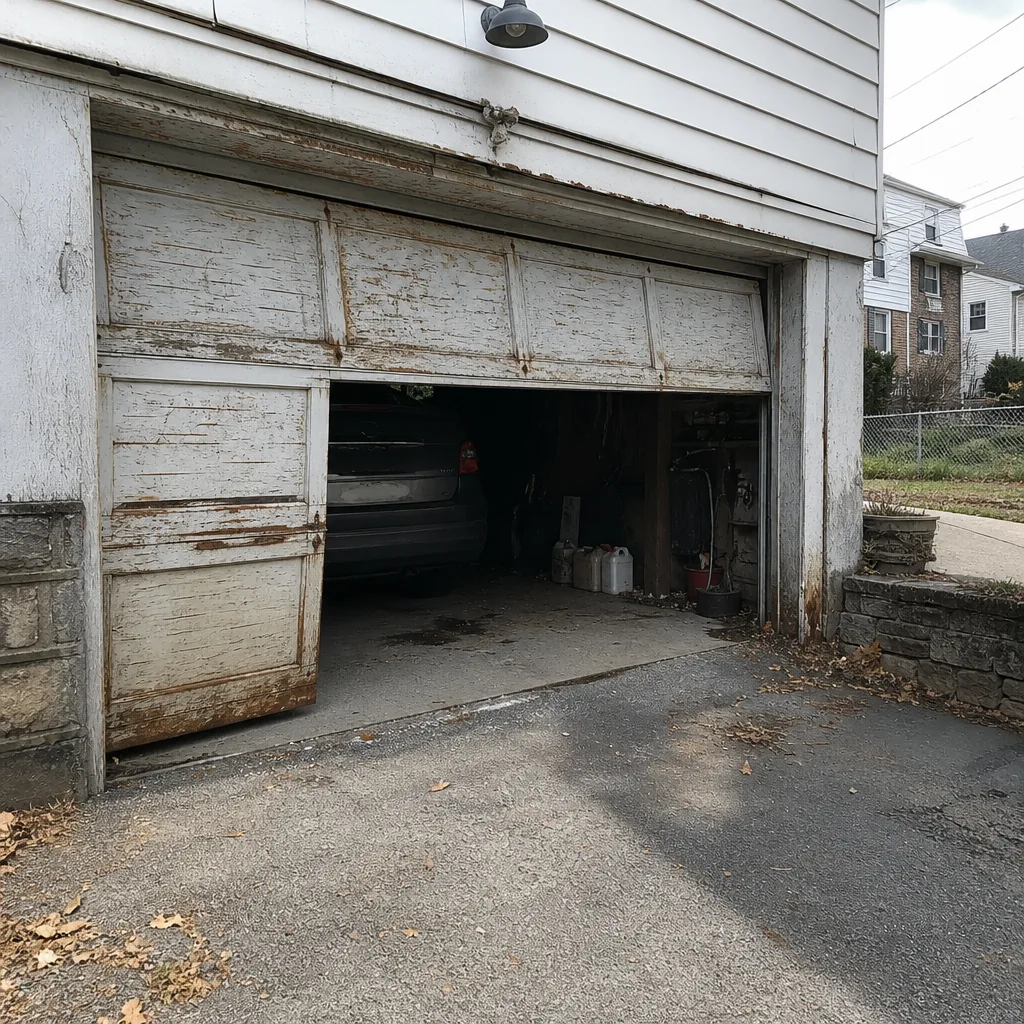 Before
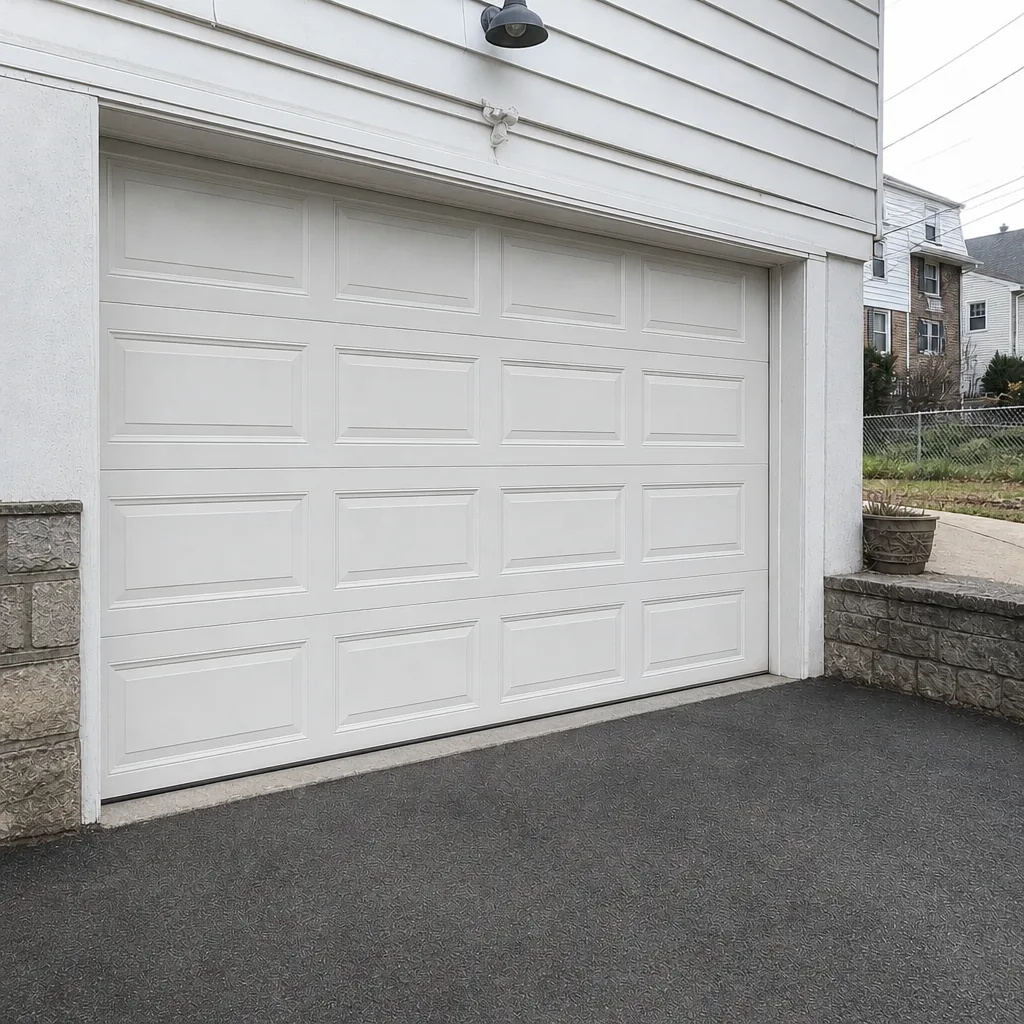 After
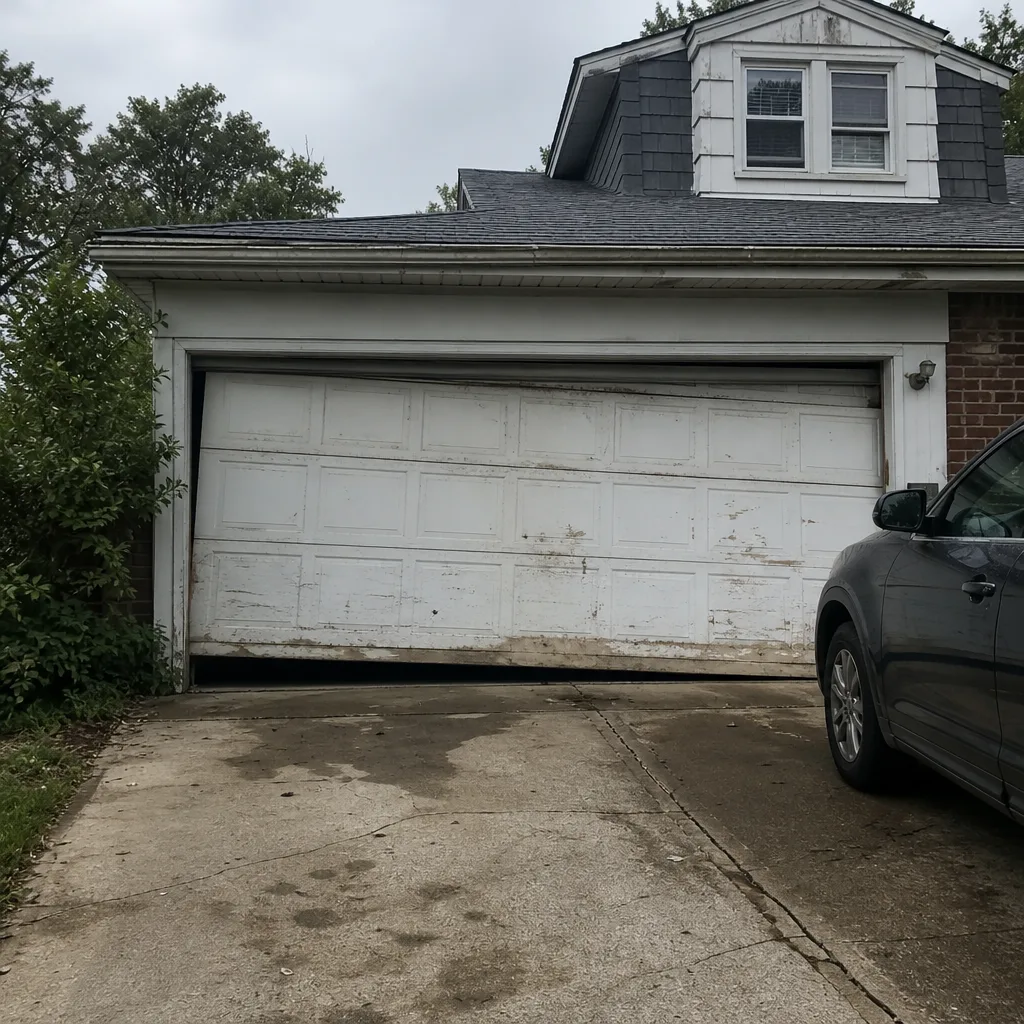 Before
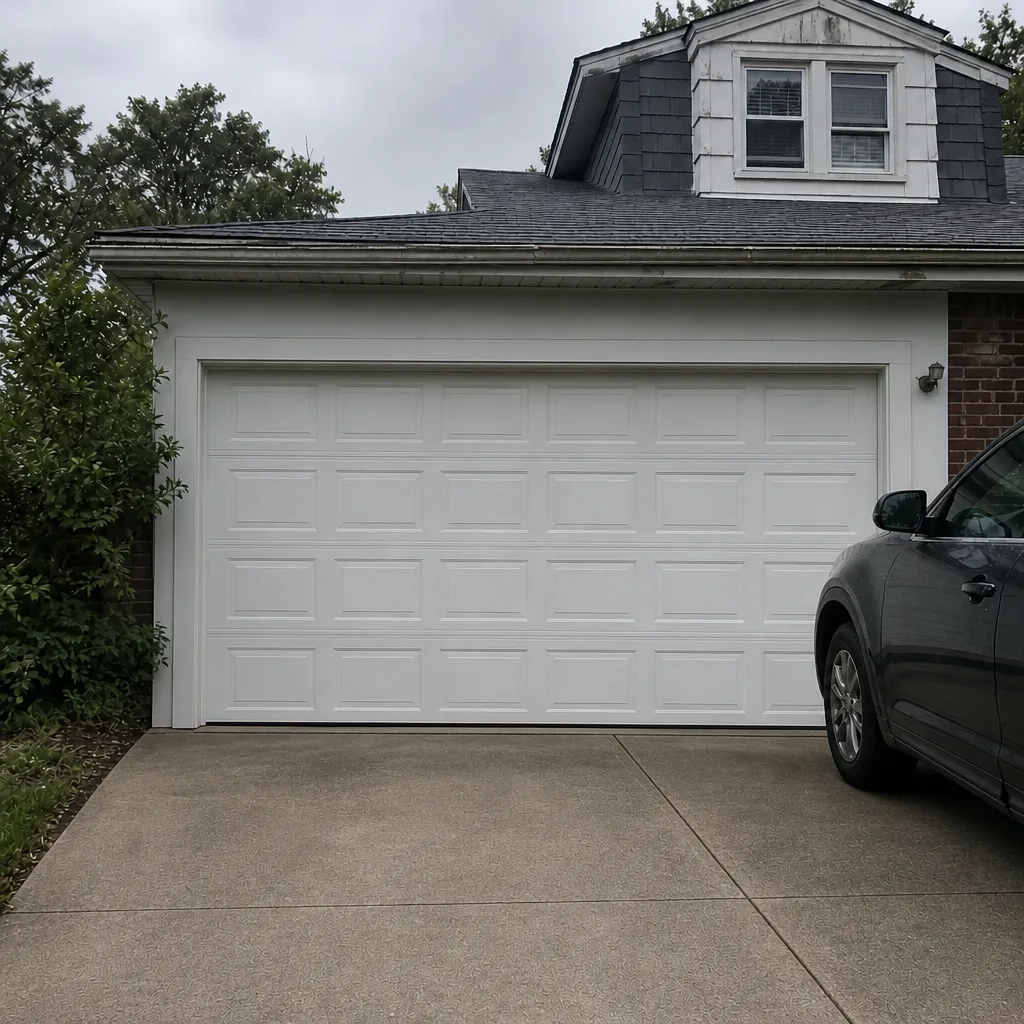 After
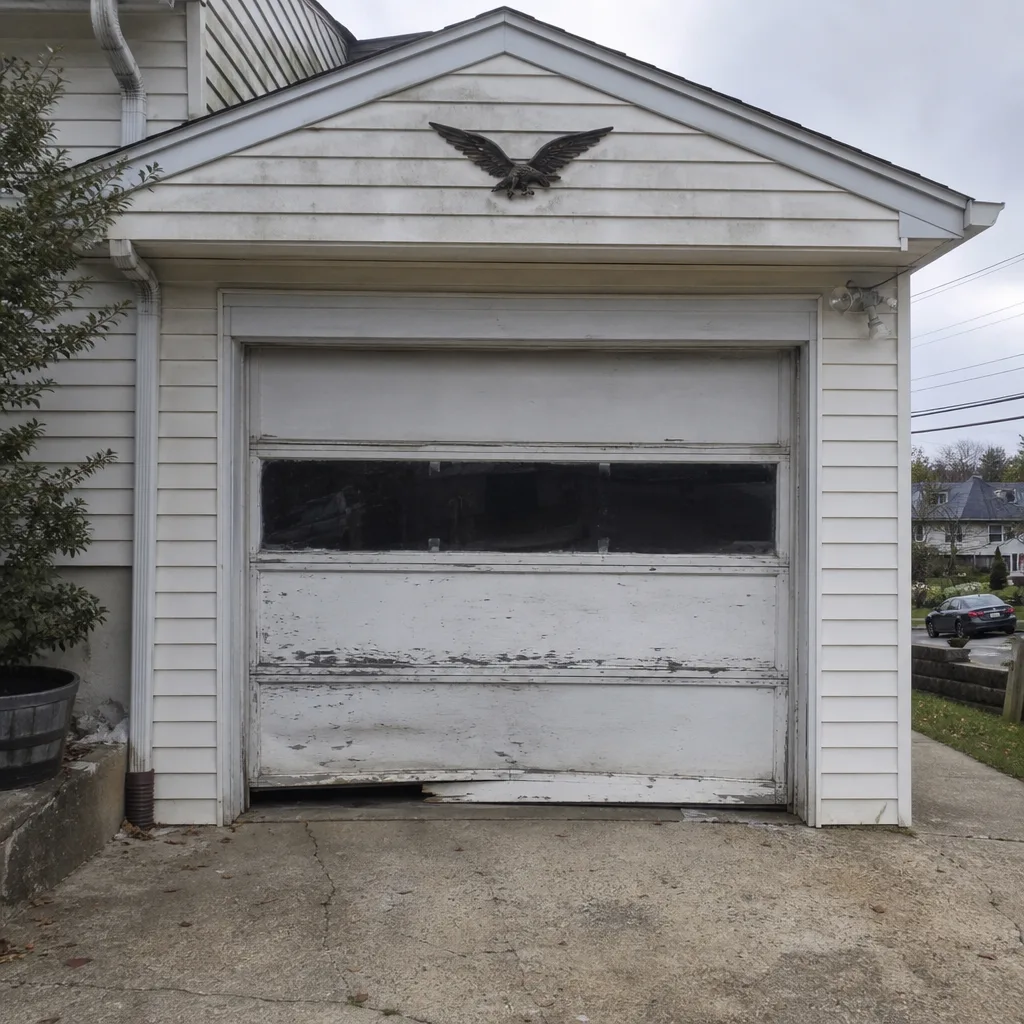 Before
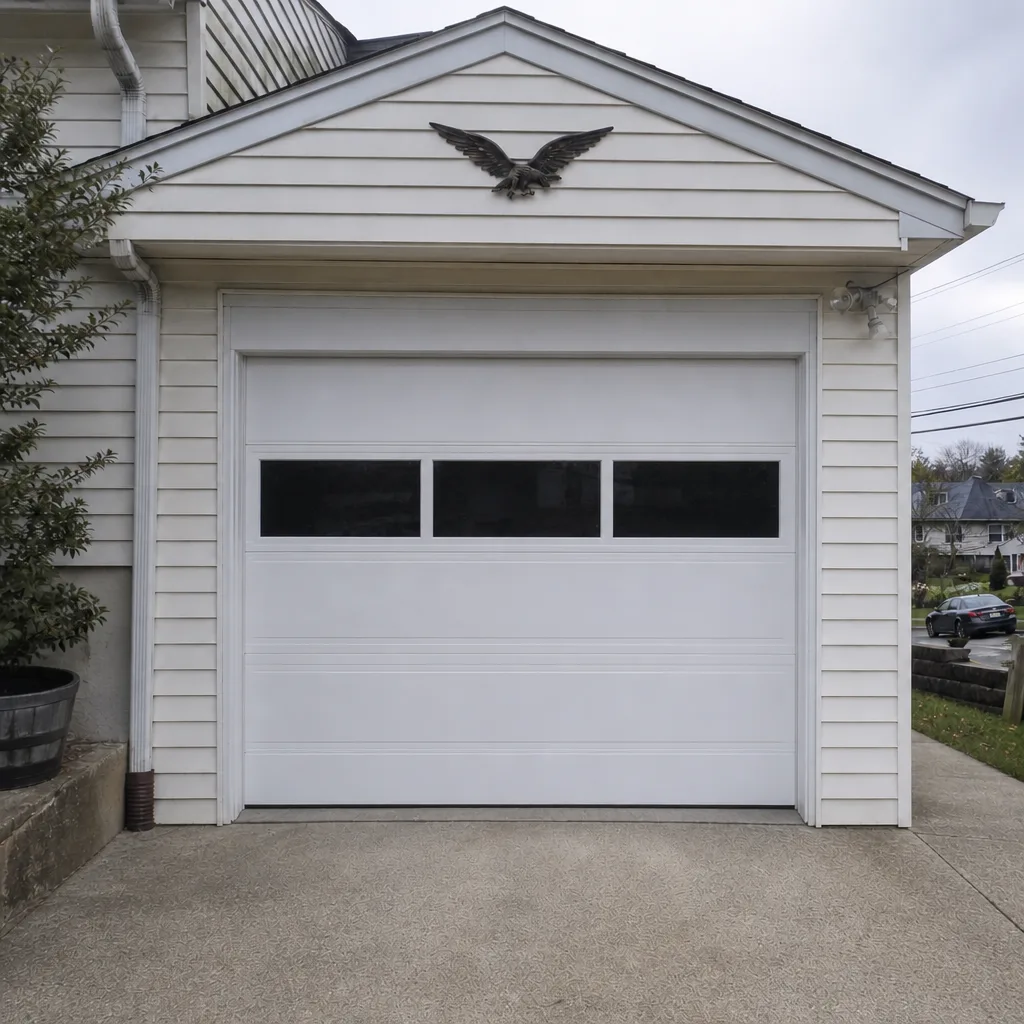 After
When to Call a Professional
Two situations call for a pro on a code-related garage door issue in Yonkers. First, if your project involves structural changes, a fire separation, a new opening, or new electrical, you need someone who can scope the work correctly and pull the permit without guesswork. Second, if you can’t tell which category your project falls into, and the answer determines whether you build a permit timeline into your schedule or not. That uncertainty isn’t something to sort out mid-project. We can look at what you have, tell you what we see, and give you a scoped written estimate that includes the permit question up front. We don’t pull permits for other trades, but we do know what needs one. Yonkers Garage Door Repair Pros offers free estimates in Yonkers. Call (877) 492-2580 to schedule a look.
Frequently Asked Questions
It depends on scope. A like-for-like replacement in the same opening on a detached garage usually doesn’t require a building permit in Yonkers, but any structural change, new opening, change to a fire-rated assembly in an attached garage, or new electrical for an opener does. Call the City of Yonkers building department with your specific scope for a definitive answer, and always get the answer in writing before work starts. Call (877) 492-2580 if you want a free estimate that includes the permit question in the scope.
If the project is a true like-for-like swap on a detached garage, some Yonkers homeowners do handle it themselves without a permit. But a torsion spring or fresh door under load is the most dangerous part of the system, and a mistake can cause serious injury. Even when a permit isn’t required, the spring work itself is not a do-it-yourself job. Let a technician handle the installation and the safety check. Call (877) 492-2580 for a free estimate if you’d rather not risk it.
Like-for-like means the replacement keeps the same opening dimensions, the same framing configuration, the same fire rating (where applicable), and similar wind and impact characteristics. Same size door, same track, same header, same wall. If any of those change, you’re into permitted construction. A good practice is to measure the opening and document what came out before the new door goes in. Call (877) 492-2580 for a free estimate that includes a scope review.
Timelines vary with project complexity. A clean like-for-like replacement with complete documentation may move in a couple of weeks. Structural changes, new openings, and work touching fire separations usually take longer because they may need plan review. The energy code documentation for an insulated door is typically quick to produce if the manufacturer’s data is on hand. Call (877) 492-2580 to schedule a free measure and written estimate so you have the scope in hand before you apply.
Inspectors check structural attachment of the frame and header, the integrity of any fire separation (including self-closing and self-latching doors between garage and house), energy code compliance for insulated assemblies, safety devices on the opener, and that the installed door matches the permitted scope. Missing documentation is the most common cause of a failed inspection. Have the manufacturer’s spec sheet and the permit application ready before the appointment. Call (877) 492-2580 for a free estimate that includes those documents up front.
Yes. An unpermitted structural change to a garage door opening can be flagged at resale inspection, and a buyer’s lender may require it to be brought into compliance before closing. An insurer can also look closely at an unpermitted modification to a fire-rated assembly after a claim. We can’t speak to how a specific carrier will handle a specific claim, but the risk is real and easiest to avoid up front. Call (877) 492-2580 for a free estimate and we’ll scope the permit question in from the start.
The Bottom Line
The permit question on a Yonkers garage door project comes down to scope, not cost. A like-for-like replacement in the same opening on a detached garage typically doesn’t require a permit. A structural change, new opening, fire-rated assembly work, or new electrical does. The New York State energy code applies to insulated door replacements even when no permit is required. When you’re unsure, call the City of Yonkers building department before work starts. Pulling a permit is slower and cheaper than retroactively fixing an unpermitted project at resale, and the written estimate from Yonkers Garage Door Repair Pros always states the permit question up front. That’s how a job stays clean.
If you’re ready to schedule, call (877) 492-2580 for a free estimate. We work on any brand, from LiftMaster and Chamberlain openers to Clopay and Wayne Dalton doors, and the estimate includes diagnosis of what the project requires so you’re not guessing about code.
Written by the team at Yonkers Garage Door Repair Pros.