Last updated November 21, 2026
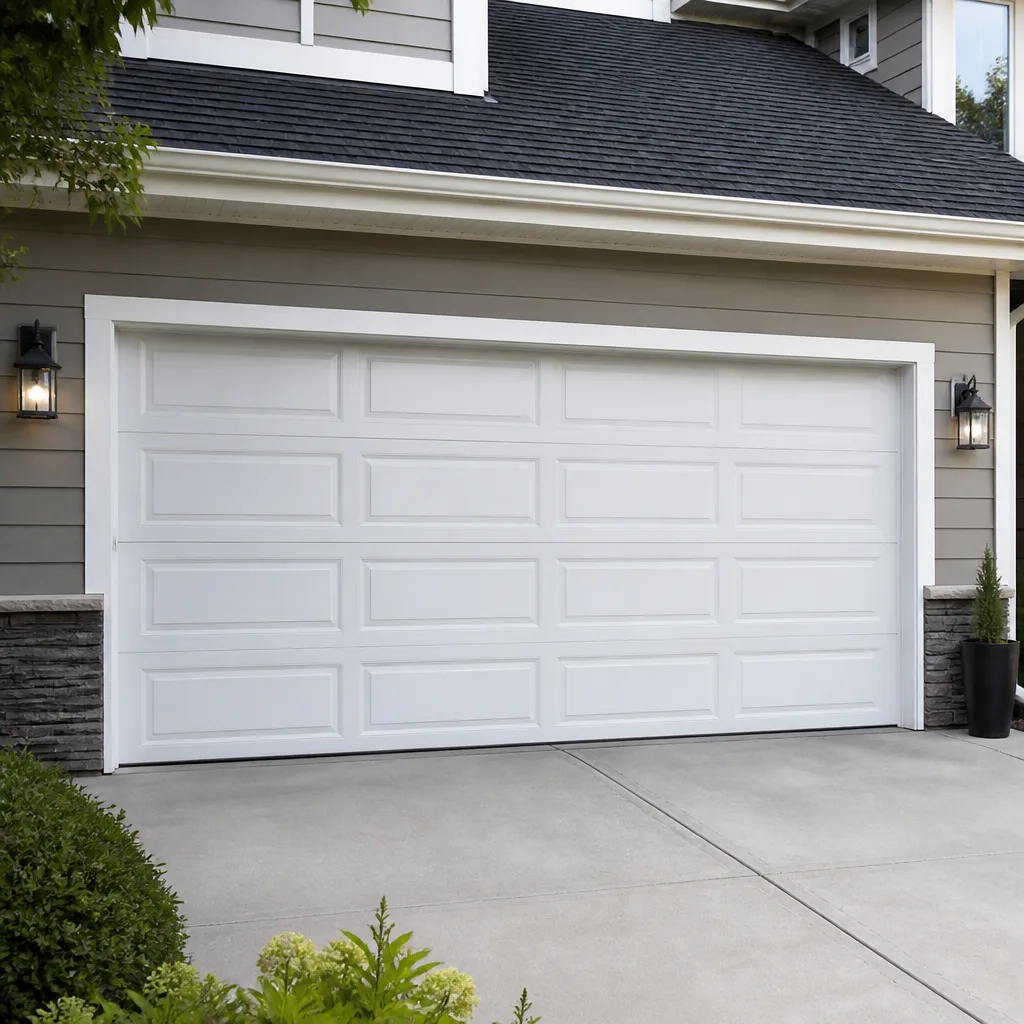 Raised-panel steel
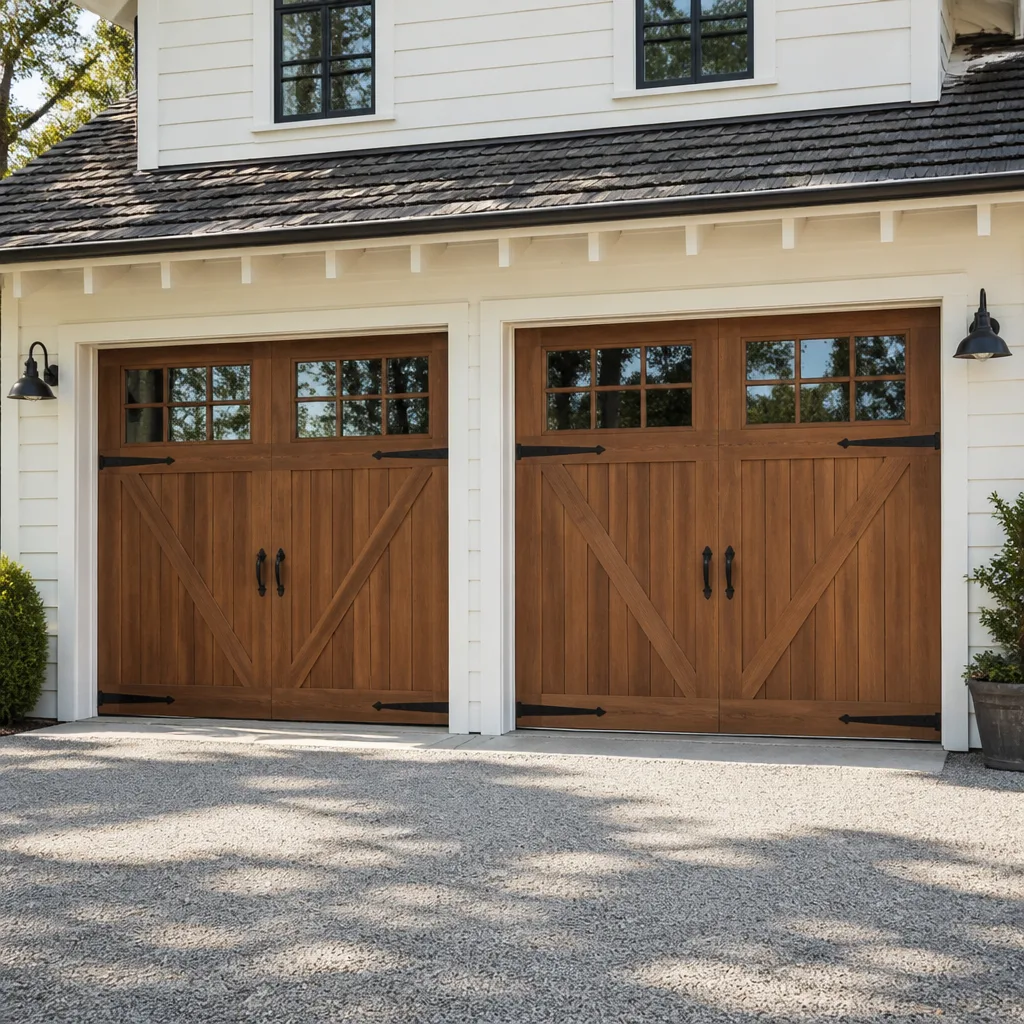 Carriage house
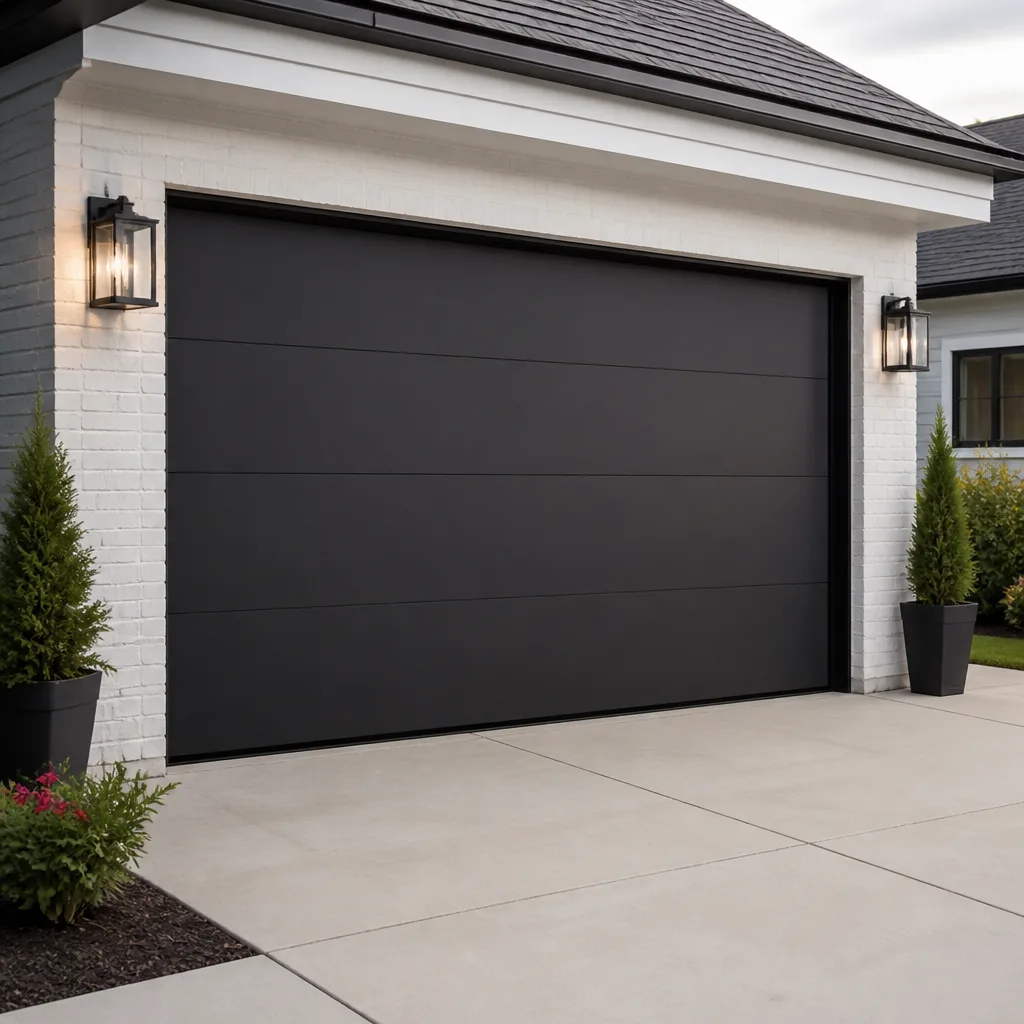 Modern flush
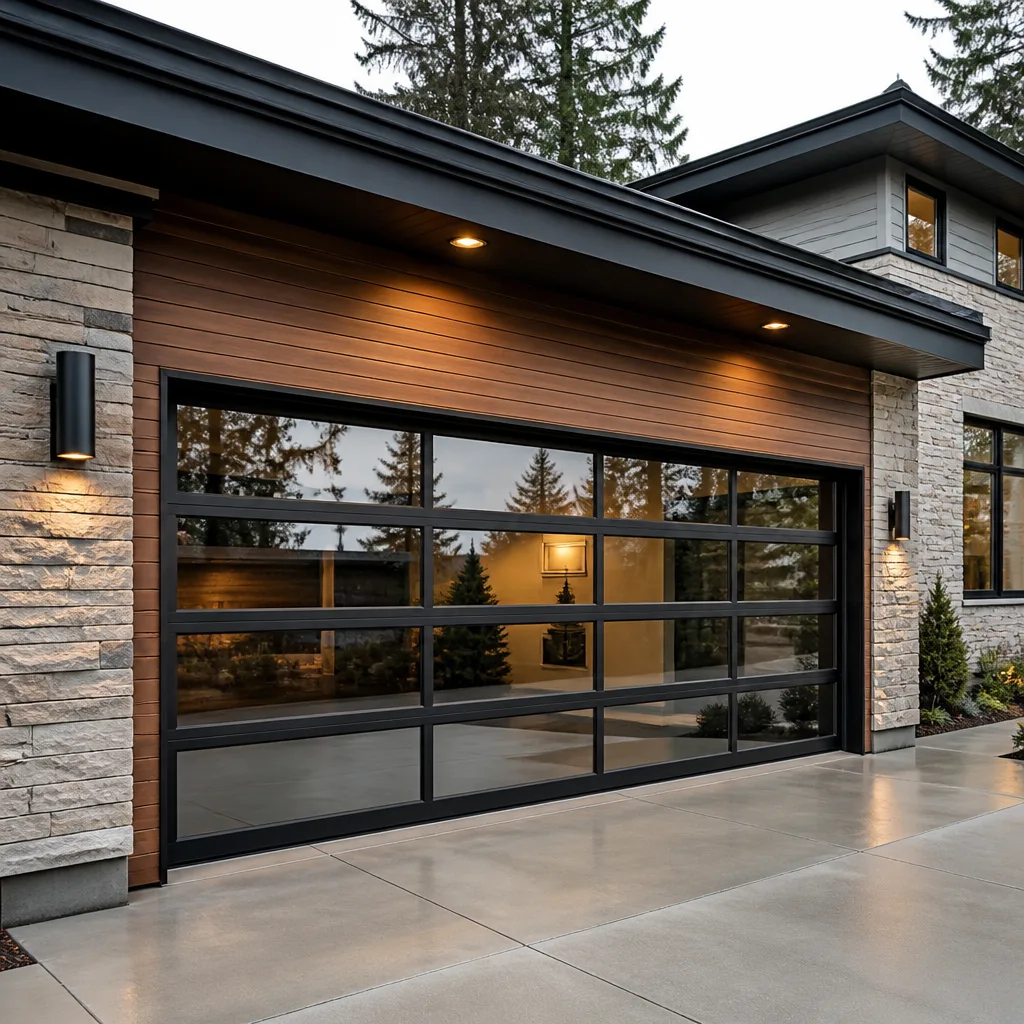 Full-view glass
 LiftMaster openers
 Chamberlain openers
Full 25-point door and opener safety check with every visit - springs, cables, rollers, tracks, and your LiftMaster or Chamberlain opener included
You get a price before we start. It does not change when the pro arrives.
Get your free estimateGarage Door Warning Signs: A Yonkers Homeowner’s Reference Guide
A rhythmic clicking when the door moves is not normal. It’s a roller that’s about to seize, and it’s telling you exactly that, days or weeks before it fails. Most garage door breakdowns don’t arrive out of nowhere. They announce themselves first, through sound, movement, and small visual cues that are easy to miss if you don’t know what you’re hearing or looking at. A door is the largest moving object in a Yonkers home and the piece of equipment your household relies on every single day. This reference guide decodes the warnings: which sounds point to which hardware, which visual signs mean call today, which mean watch and wait, and which mean you have hours before something breaks.
Quick Answer
Garage door warning signs fall into three categories: sound (grinding, popping, squealing, rhythmic clicking), movement (jerking, falling fast, reversing for no reason, uneven travel), and visible condition (rust on springs, gaps in coils, frayed cables, bent tracks). A popping sound or a visible gap in a torsion spring means stop using the door and call a professional. A slow squeal or light clicking usually means schedule service soon. Any warning that involves a spring, cable, or the door dropping is never a monitor-and-wait situation.
Styles & brands we work with
- Raised-panel steel
- Carriage house
- Modern flush
- Full-view glass
- LiftMaster openers
- Chamberlain openers
Table of Contents
- Sound Warnings: What Grinding, Popping, Squealing, and Banging Actually Mean
- Visual Warning Signs on Springs You Can Spot Safely From the Floor
- Movement Warnings: Jerking, Falling Fast, and Uneven Travel
- Opener Behavior Signals That Usually Aren’t the Opener
- The Triage Framework: Act Now, Monitor, or Schedule Service
- What Makes Yonkers Garages Age Differently
- A Safe Monthly Inspection You Can Do in Ten Minutes
- Common Mistakes to Avoid
Sound Warnings: What Grinding, Popping, Squealing, and Banging Actually Mean
Sound is the earliest signal a garage door gives you, and it’s also the one most homeowners misread. Every noise a door makes has a mechanical source, and the source tells you how much runway you have. Here’s how we break down the four sounds we hear about most in Yonkers.
- Popping: A sharp pop, especially when the door first starts to move or right as it finishes closing, usually points to a torsion spring that has begun to fatigue or a cable that has jumped. This is a stop-using-the-door sound. A popping spring can fail completely mid-travel, and a door with a broken spring is dead weight.
- Grinding: Grinding is friction that shouldn’t exist. Common causes are a roller that has lost its bearing, a track that has bent out of alignment, or a hinge that’s worn through. Grinding tends to get worse over weeks, not hours, and it wears the moving parts around it as it goes.
- Squealing: High-pitched squealing is usually the easiest fix on this list: dry rollers, dry hinges, or a torsion tube that needs lubrication. Left alone, a dry roller seizes, and a seized roller grinds against the track until the track bends.
- Banging: A bang or a thud at the start or end of travel points to the opener pulling too hard, an unbalanced door slamming into its limit, or a broken spring letting the door drop faster than the opener’s travel should allow. Banging is a movement problem wearing a sound costume, and we cover it below.
Rhythmic clicking, the one that started this guide, is the quietest of the bunch and easy to ignore. A click that repeats with the door’s travel is almost always a roller bearing on its way out or a hinge plate that’s loosening. Catching a click is good news: it’s a cheap repair now versus a bent section or a broken hardware set later. If you’re hearing any of these and want the door diagnosed properly, our garage door repair service covers exactly this kind of sound-to-source work.
How to Test a Sound Safely
- Stand clear of the door and watch it open and close one full cycle from the floor, not from beneath the door.
- Note where in the travel the sound happens: at the start, mid-travel, at the top, or at the floor.
- Note whether the sound gets louder or softer over a few cycles. Louder-and-sooner means it’s progressing.
- Write down what you heard and where. That single piece of context saves a technician twenty minutes of guesswork.
Visual Warning Signs on Springs You Can Spot Safely From the Floor
You can learn a lot about a spring’s condition without touching anything. Torsion springs sit on the horizontal shaft above the door; extension springs run overhead along the tracks. Both give visual warnings, and all of them can be read from a safe distance on the garage floor. Look, don’t reach.
Rust patterns. Light surface rust on a spring’s exterior is mostly cosmetic. Rust that’s concentrated in one band, or pitting along a coil, is a different story: that’s where the winding wire is thinning and where a break is most likely to start. If you can see a rust band across the body of a spring, it’s worth an inspection.
Gaps in the coils. A healthy spring has tight, even spacing between its coils. A visible gap, or a section where the coils are bunched unevenly while the door is closed, points to a spring that’s lost tension or been over-wound. Uneven coil spacing on a torsion spring is one of the clearest signals that a professional should look at it.
Uneven tension between the pair. Most two-car Yonkers garages have a matched pair of torsion springs on a single shaft. When one has weakened more than the other, the door hangs slightly crooked or lifts with one side leading. That imbalance adds stress to the good spring, the cables, and the opener, which is why a matched pair is usually replaced together.
Frayed cable and loose drums. A cable that looks fuzzy, has a broken strand, or has slipped out of its drum groove is a stop-using signal. Cable and spring tension are stored energy. There’s no safe way to investigate either with your hands, and a snapping cable can cause serious injury. This is the single most important safety line in this guide: springs and cables are a trained-professional job. Spring repair done safely is why we treat it as a dedicated service rather than a general repair. If you have a broken or suspect spring in Yonkers, our garage door spring repair page walks through what a replacement involves.
Movement Warnings: Jerking, Falling Fast, and Uneven Travel
A door that “jerks on the way up” or “falls fast” on the way down is telling you that its balance is off or a moving part is binding. Both are mechanical, and both are diagnosable. Here’s what each movement pattern points to.
Jerking or Stuttering as the Door Rises
Jerking usually traces to one of four things: a binding roller, a track that’s out of alignment, a hinge that’s seizing, or a cable that’s rubbing where it shouldn’t. A jerky door also puts stress on the opener’s gear and motor, so what starts as a hardware issue has a habit of becoming an opener issue if it’s left. A quick test: open the door about halfway and look down each track’s edge. If the door’s edge is not parallel to the track, the door is being pulled into a bind.
The Door Drops or Falls Faster Than It Should
A door that falls fast or slams at the floor is unbalanced. With torsion springs, that usually means one or both springs have lost their counterbalance, or a cable has come loose from its drum. With extension springs, it can mean a spring has stretched past its rated life. A door that drops is a door that can fall on a person or a vehicle, so handle this one first. Stop cycling it until it’s inspected.
Uneven Travel and Crooked Hanging
If one side of the door reaches the floor before the other, or the door visibly tilts when it’s halfway up, the tension on the two sides is not equal. That means either a spring has weakened, a cable has slipped, or a drum is out of its track. On a Yonkers home with a two-car door, this shows up as a gap at one bottom corner and often a slightly crooked panel. Crooked is a symptom; the cause is above the door.
Door Off Its Track
A door that has jumped the track, or one roller sitting outside the channel, is a stop-immediately scenario. Forcing it usually bends the panel or the track, which turns a hardware repair into a panel replacement. Leave it where it stopped and call. If the door is stuck open or wedged, know that emergency garage door service exists for exactly this. We offer it as a core part of what we do, not as a scheduled-appointment substitute.
Opener Behavior Signals That Usually Aren’t the Opener
This is the most common misdiagnosis in the trade. A door that reverses for no reason, won’t close fully, or stops halfway up is usually not an opener fault, it’s the door telling the opener to stop. Newer openers from LiftMaster and Chamberlain, for example, are built to detect resistance and reverse when they sense it. That’s a safety feature doing its job. It’s reporting that something downstream is binding, and the opener is the messenger.
- Reversing for no visible reason: nearly always a safety sensor that’s misaligned or blocked, or resistance from a binding door. Check that the sensors across the door opening are lined up and that nothing, including a parked bicycle or a leaning bag of salt, is in the sensor’s path. If that’s clear, the door’s balance or a roller is the likely cause.
- Won’t close fully, or stops and goes back up: a door that hits something at the floor and reverses is doing its job. Look for a bent bottom bracket, a track that pinches near the floor, or an obstruction in the travel path.
- Grinding or humming from the opener head: this one is often the opener. A stripped gear or a worn drive is an opener repair, and legacy units and smart-home-compatible units from Genie and Raynor use different gear and drive layouts. That’s why our garage door opener repair is handled as its own specialty rather than folded into general repairs.
- Opener runs but door doesn’t move: a broken spring, a disconnected emergency release, or a snapped lift cable. Test by pulling the emergency release (with the door closed) and trying to lift it by hand. A door you can barely move by hand needs spring or cable work.
The rule of thumb: if the opener runs smoothly but the door misbehaves, the problem is with the door. If the opener hums, grinds, or clicks without moving the door at all, the problem is in the opener. We work on whatever brand you have, so there’s no need to figure out which camp your brand falls into before calling. Our technicians have up to 10 years of experience diagnosing both.
The Triage Framework: Act Now, Monitor, or Schedule Service
Every warning in this guide lands in one of three buckets. Use this as your quick decision framework. When in doubt, err toward the earlier bucket.
Act Now: Stop Using the Door
- Visible gap in a torsion spring, or popped spring
- Frayed, broken, or slack cable
- Door dropped, off its track, or significantly crooked
- Sharp popping or banging during travel
- Door stuck open and the home can’t be secured
These are the situations where a failure is likely imminent or is already underway. Call for emergency garage door service if the door is stuck open or poses a security or safety risk.
Monitor: Watch Closely, Book Soon
- Light rust band or pitting on a spring
- Rhythmic clicking during travel
- Uneven tension between a spring pair
- Occasional jerking that’s getting more frequent
- Opener reversing intermittently, especially in damp weather
These are progressing issues. They rarely fail tonight, but left alone they get more expensive. Book a service visit within the next few weeks rather than waiting for a failure.
Schedule Service: Maintenance-Level
- Squealing on dry rollers or hinges
- A single slow-closing door with no other symptoms
- One sticky hinge or a door that feels heavier than it used to
- Annual or seasonal tune-up before winter
These are the easy-to-fix items. Catching them here is the whole point of learning the warnings.
What Makes Yonkers Garages Age Differently
Yonkers garages work in specific conditions that accelerate certain wear. Understanding the local pattern helps you know which warnings to read seriously.
Freeze-thaw and humidity. Yonkers winters are wet and cold with repeated freeze-thaw cycles, and summers run humid. That cycle stresses springs and cables over time. Springs rust at the point of constant contact where moisture settles, which is why a rust band on an old spring is worth a closer look here. Doors that sit against a cold garage floor through freezing temperatures work their bottom seals harder, and the friction at the floor can show up as jerky starting travel in early spring.
Aging housing stock. Many Yonkers homes were built with garages that have seen more than one door, and some have more than one opener upgrade. A single home can have a door from one era, springs from a replacement, and an opener from a third. A brand-agnostic technician is the only way to untangle what’s actually installed. This is why we work across Clopay, Amarr, Wayne Dalton, LiftMaster, Chamberlain, Genie, Craftsman, and Raynor: the door and opener may not be the same brand, and they don’t need to be.
Multi-car garages and tight clearances. A good number of Yonkers garages sit under the main house with low headroom and tight side clearances, especially in older neighborhoods. Clearance issues are why jerky travel and track misalignment are more common than they might be in a newer home with a more generous garage. If you’re in the market for a new door and want to avoid inheriting the same tight fit, our garage door installation page covers measuring and clearance planning properly.
Space constraints at the door mouth. Yonkers driveways can be short and the street can be busy. If your door has ever been backed into or clipped, a slightly bent track or a warped bottom panel is more likely. A door with a bent track will show up as a clicking or grinding warning long before it becomes a track failure.
A Safe Monthly Inspection You Can Do in Ten Minutes
This is the routine we recommend to Yonkers homeowners who want to catch small issues before they become repair calls. Every step is done with your eyes and hands, never by touching a spring or cable.
- Look at the springs first, from the floor. Check for gaps, rust bands, uneven spacing, and any sign that the door is hanging crooked. Do not touch. Note what you see.
- Check the cables visually. Look for fraying, broken strands, or a cable loose from its drum groove. Any of these and you stop the inspection and call.
- Run the door one full cycle and listen. Note any sound from the four we covered and where in the travel it happens.
- Test the balance by hand. With the door closed, pull the emergency release, lift the door about halfway, and let it go. A balanced door should hold roughly in place. A door that drops quickly is unbalanced and needs spring attention.
- Check the safety sensors. With the door open, block the sensor beam with your foot. The opener should reverse. If it doesn’t, the sensor needs adjustment.
- Walk the tracks with your eyes. Look for bends, dents, or dirt buildup. A slightly bent track shows up as grinding or clicking, and it’s cheap to fix early.
- Look at the bottom seal. A cracked or torn seal lets moisture and pests in and shows up as friction at the floor.
Write down what you found. A short monthly note is genuinely useful when you call for service. It tells the technician what’s changed and when.
Common Mistakes to Avoid
- Ignoring a single click or squeal. Both are cheap to fix now. Left alone, a dry roller or a sticking hinge grinds against the track until it bends, and a bent track can force a door off its rail.
- Trying to “adjust” a spring yourself. Torsion springs hold enough stored energy to cause serious injury. Nothing in this guide requires you to touch one, and nothing you read anywhere should replace a trained technician. If a spring is on your list, a professional should be too.
- Treating a reversing door as a broken opener. In Yonkers homes, this is the most common unnecessary opener replacement. Check the sensors and the door’s balance first. The opener may be completely fine.
- Forcing a door that’s off its track. A door that’s jumped the track and been forced usually ends up with a bent panel, which is the difference between a hardware repair and a panel replacement. Leave it where it stopped.
- Replacing only one spring in a matched pair. The older spring fails faster once the load is rebalanced. A new spring and an aged partner is a short-lived fix, and it’s one of the reasons a pair is usually replaced together.
- Waiting until the door won’t open to schedule a service visit. In Yonkers, a stuck door during a cold snap means the household loses its primary entry point. A service visit is far easier to arrange before a failure.
- Assuming a door from one brand needs an opener from the same one. It doesn’t. A Clopay door and a Chamberlain opener work together fine, and a technician who works across brands will say so instead of steering you toward a matched system you don’t need.
See the difference
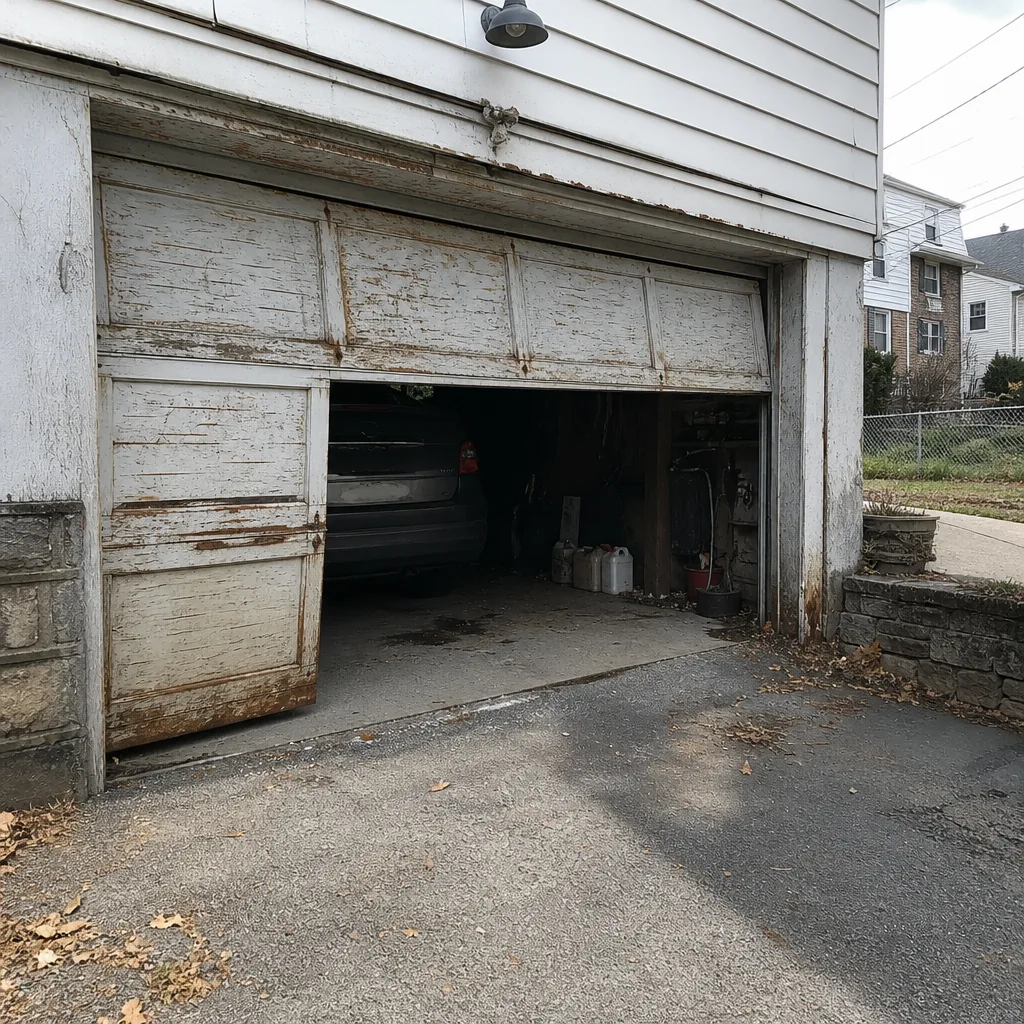 Before
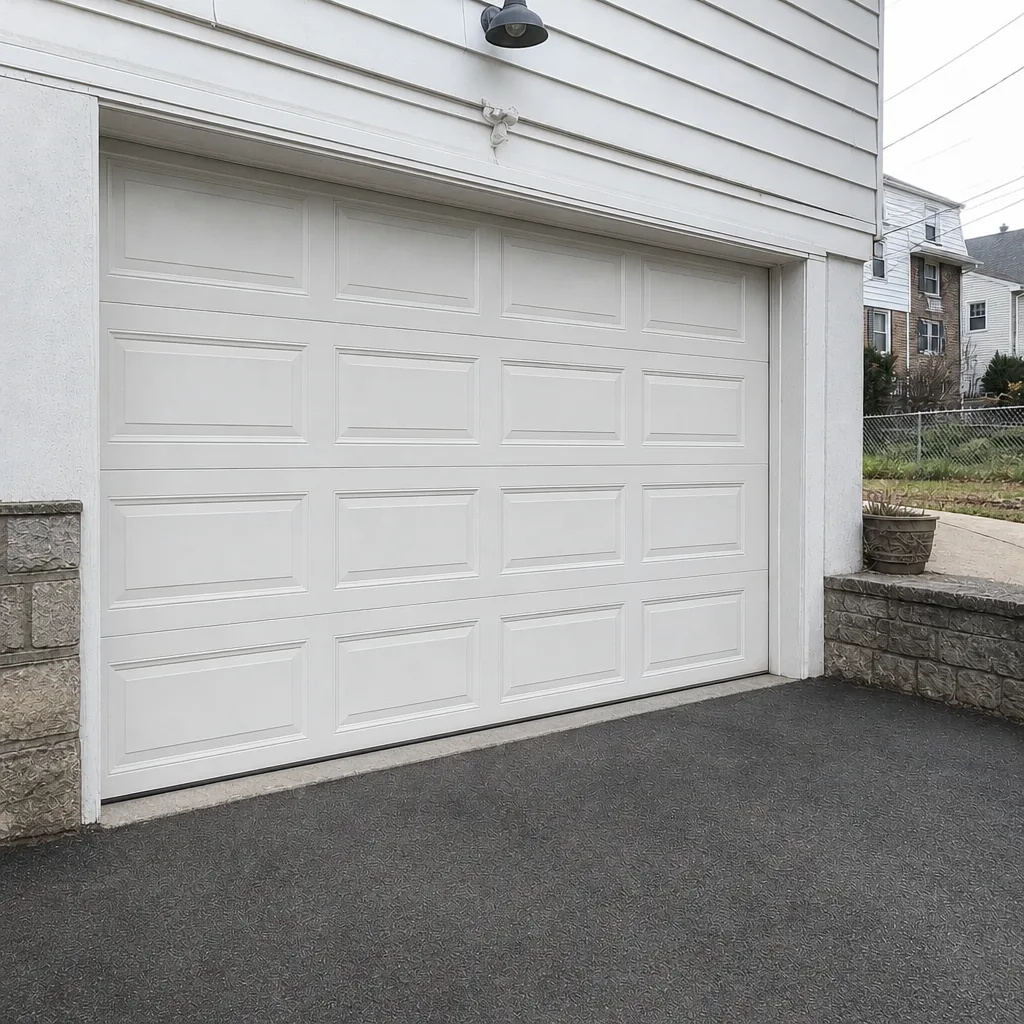 After
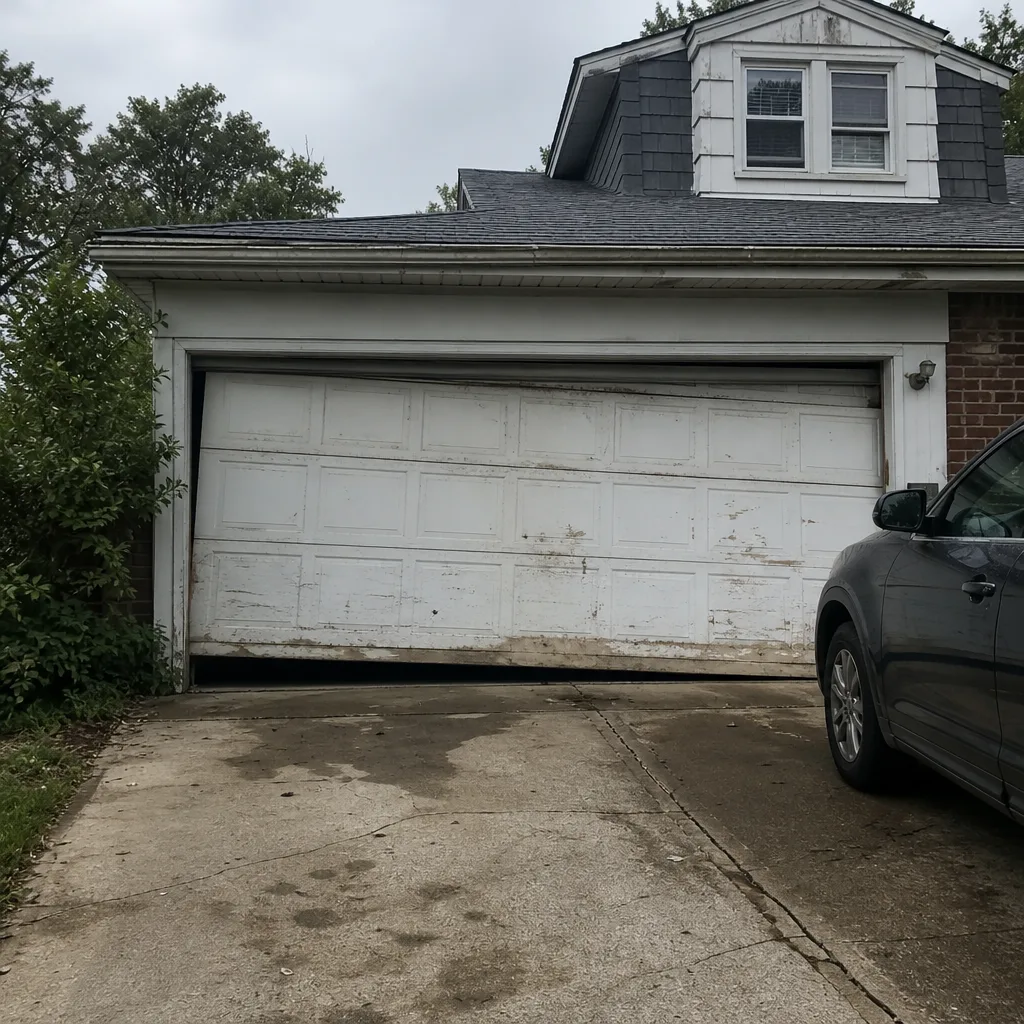 Before
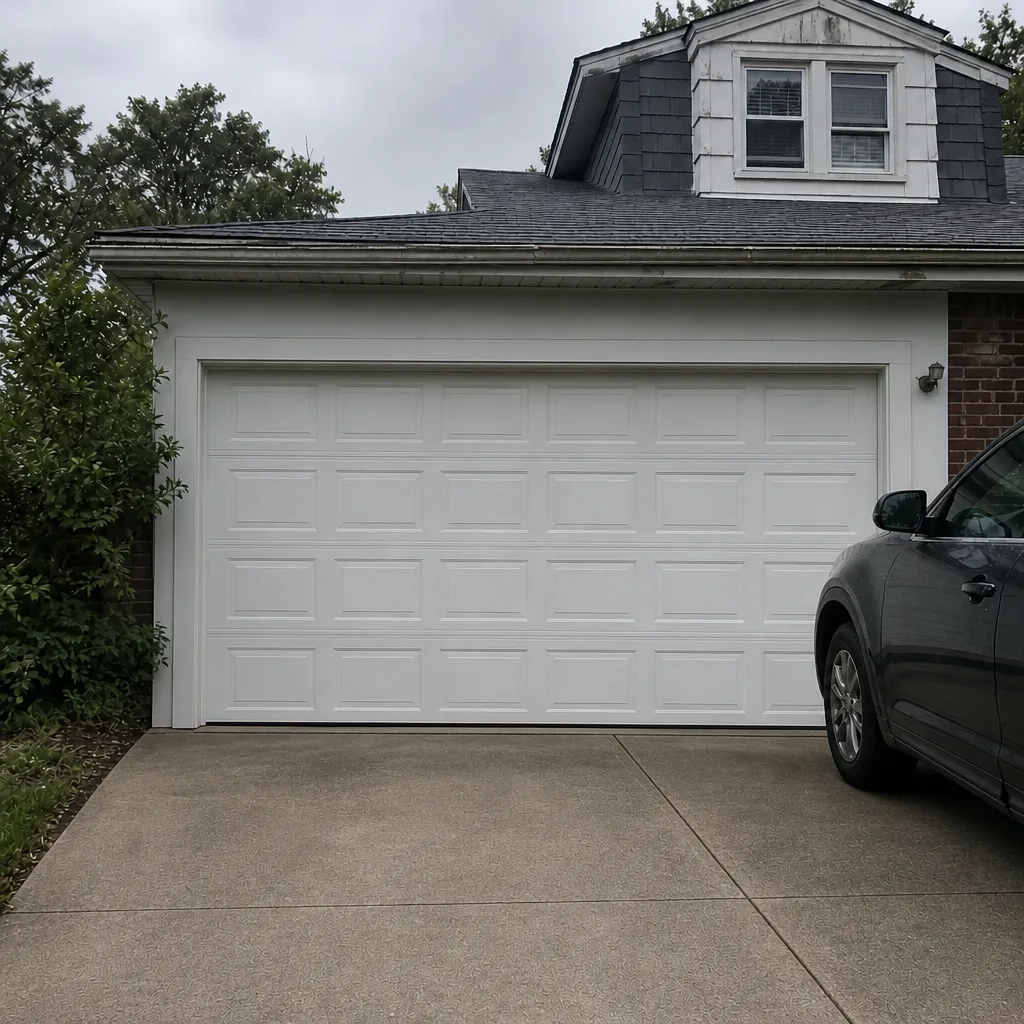 After
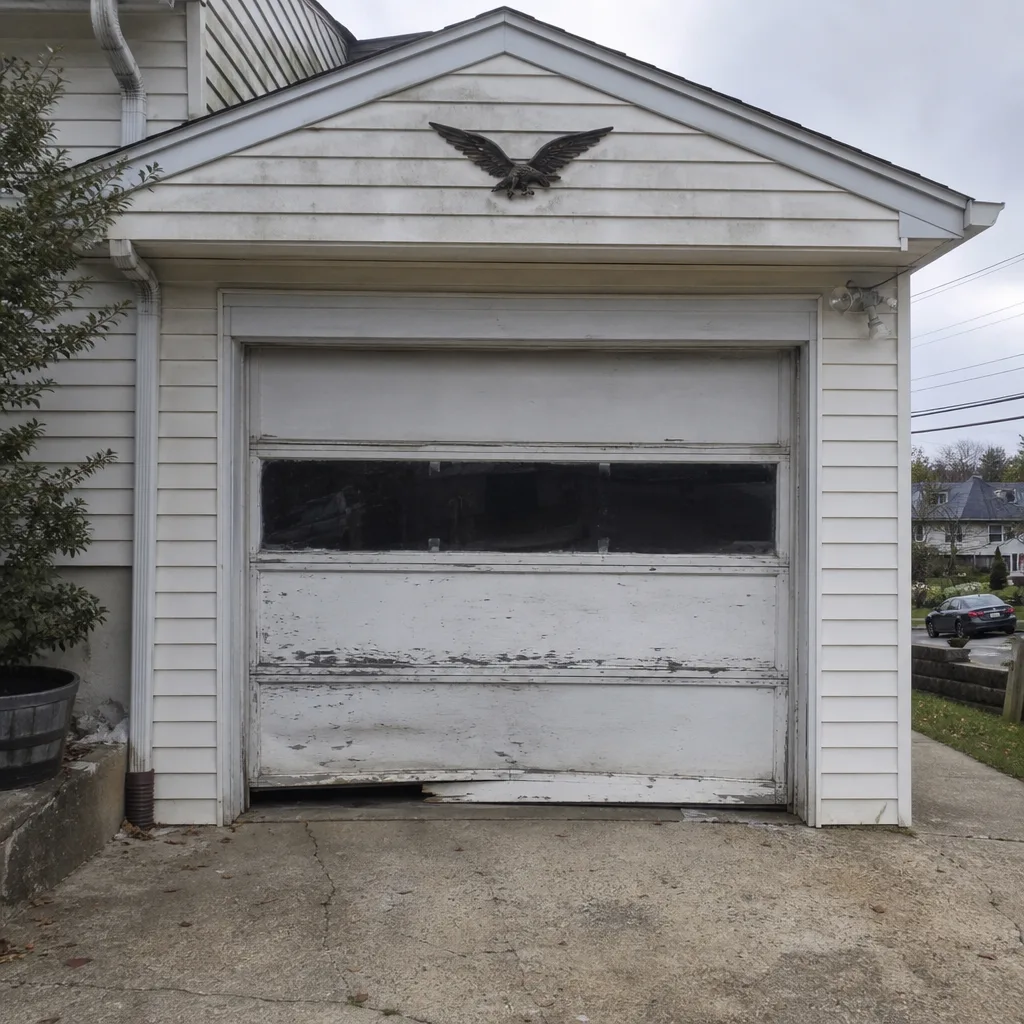 Before
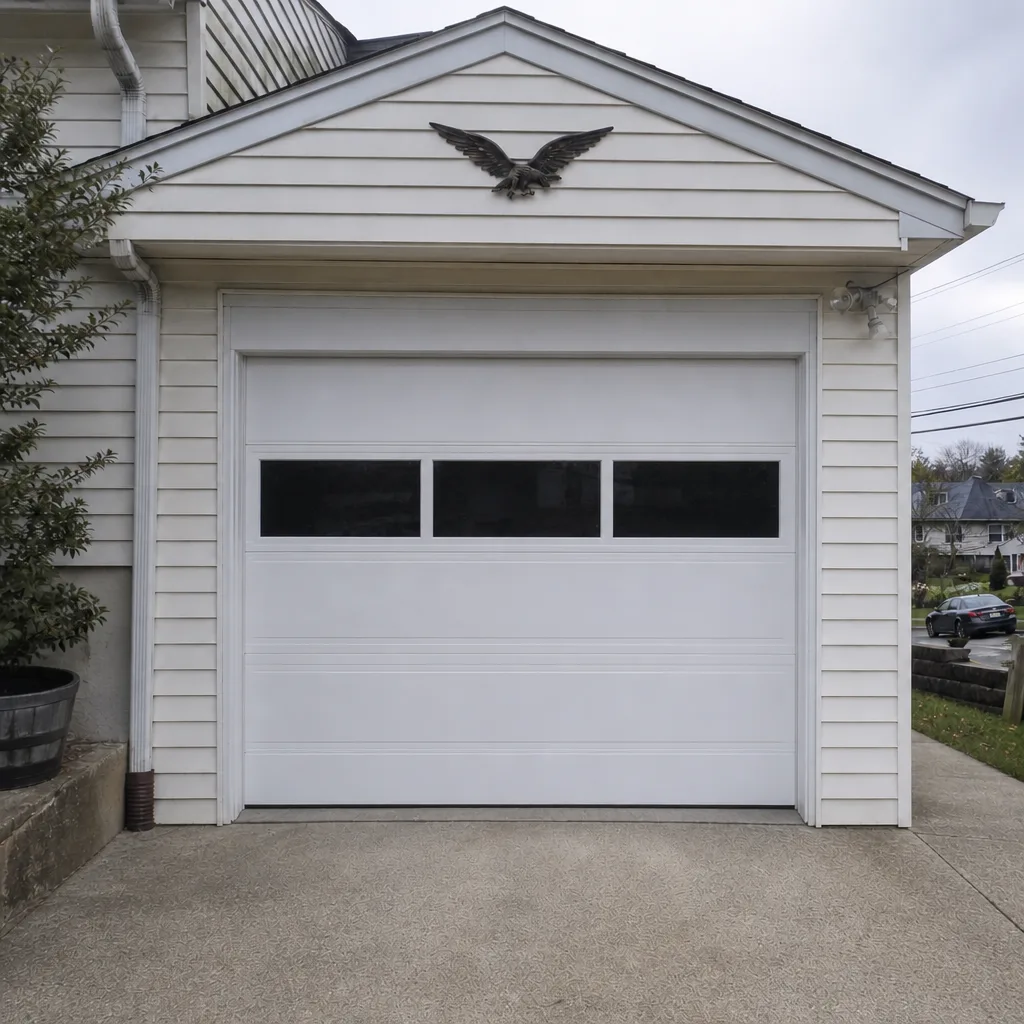 After
When to Call a Professional
Call when any of these is true: a spring has visibly failed, a cable is frayed or loose, the door has dropped or jumped its track, the door reverses for no reason and sensor checks don’t fix it, the opener hums without moving the door, or you’re hearing a popping or banging sound. Also call if you’ve done the monthly check and see an uneven spring pair, a rust band, or a door that’s losing balance. Any of those six is a professional call, not a wait-and-see.
Yonkers Garage Door Repair Pros offers free estimates in Yonkers. Call (877) 492-2580 and describe the warning you’ve noticed. We’ll tell you what it likely means, what the visit will cover, and what to expect. The price is agreed before any work starts, and we work on whatever brand you have. If you’re not sure whether it’s worth a visit, that call is free too.
Frequently Asked Questions
A visible gap in a torsion spring, a frayed or loose cable, or a door that has dropped or jumped its track. Each of these means the door is holding stored energy it can’t safely release, and continuing to cycle it risks injury or a much larger repair. Stop using the door and call (877) 492-2580.
No. Rhythmic clicking during travel is usually a worn roller bearing or a loosening hinge plate, and it’s a schedule-service warning, not an emergency. Book a repair in the next few weeks so it doesn’t wear the track and turn into a larger job.
Most often it’s a safety sensor that’s misaligned or blocked, or resistance from a binding door, not an opener fault. Check that the sensors on both sides of the opening are lined up and clear. If the reversing continues, the door’s balance or hardware is the next thing to check. Call (877) 492-2580 for a diagnosis.
There’s no reliable timeline. A spring with a visible gap has already failed in part and should be treated as a stop-using condition today. A spring showing early rust or uneven coils could last weeks or months, but the risk leans toward weeks. Book an inspection rather than watching it.
Yes. Light lubrication on rollers, hinges, and the torsion tube is safe and helps prevent squealing. Never lubricate the tracks themselves, and never touch a spring or cable to check tension. Lubrication handles sound, not balance or tension.
No. Springs are rated for cycle life, not climate, but Yonkers’ freeze-thaw cycles and wet winters mean the spring’s housing and point of contact see more moisture than in a dry climate. That’s why a rust band deserves a look. A technician can tell you whether the current spring is still within its rated life or near the end of it.
The Bottom Line
A garage door almost always warns you before it fails. The warnings are specific: a clicking roller, a rust band, a door that falls fast, an opener that reverses for no reason. Read them early and most repairs are small hardware jobs. Ignore them, and the same warning becomes a broken spring, a bent track, or an opener replacement. In our experience, the Yonkers homes that avoid emergency calls are the ones that check the door monthly and act on the first few warnings. Use the triage framework: act now on spring, cable, and drop signs; monitor the clicks and the light rust; and schedule the squeals and small stuff before they grow. That’s the whole method, and it works.
If you’ve spotted a warning and want it looked at, our team connects you with vetted local professionals who handle the full picture: springs, cables, tracks, openers, and new door installation. Start with Yonkers Garage Door Repair Pros to see what we cover. Service is a single point of contact from diagnosis to completion, no matter which brand is on your door, and the price is quoted and agreed before any work starts.
Call (877) 492-2580 for a free estimate. Describe the sound, the movement, or what you saw on the springs, and we’ll take it from there.
Written by the team at Yonkers Garage Door Repair Pros.