Last updated November 21, 2026
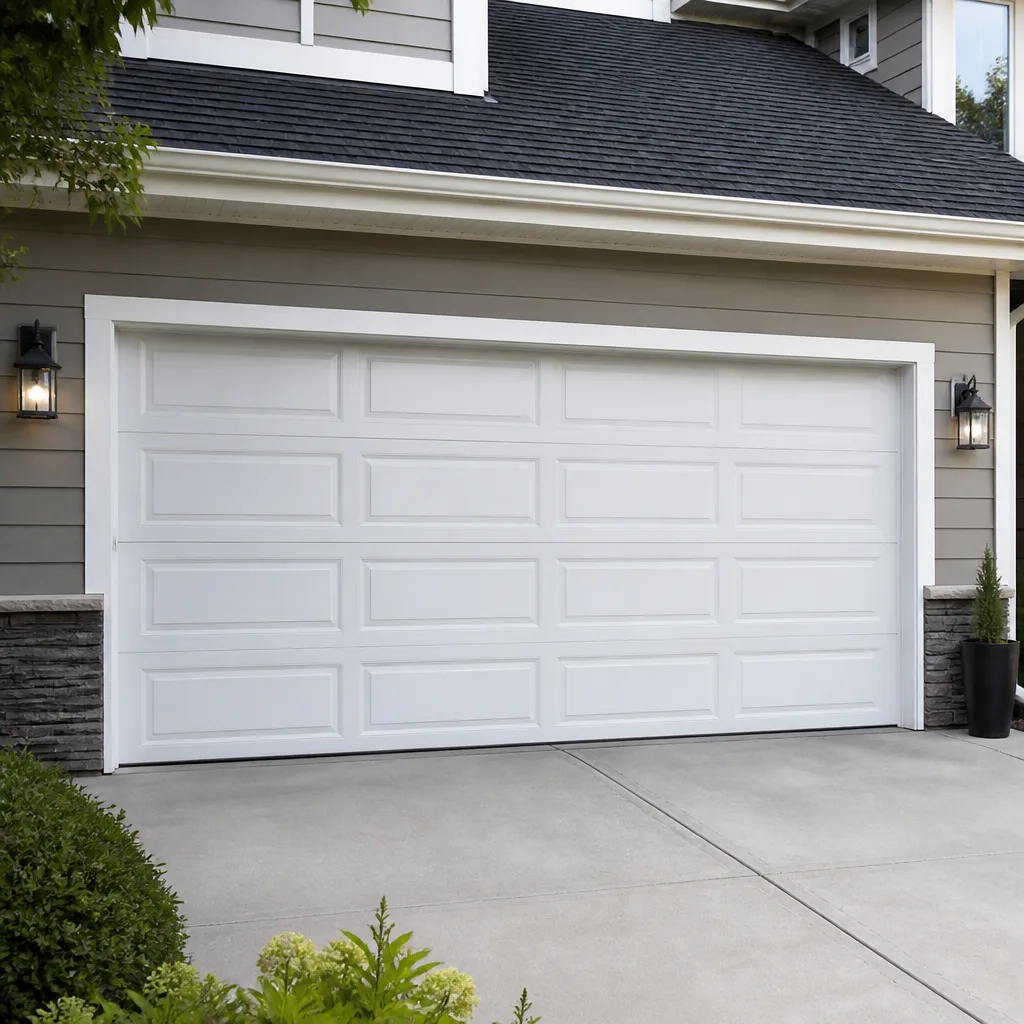 Raised-panel steel
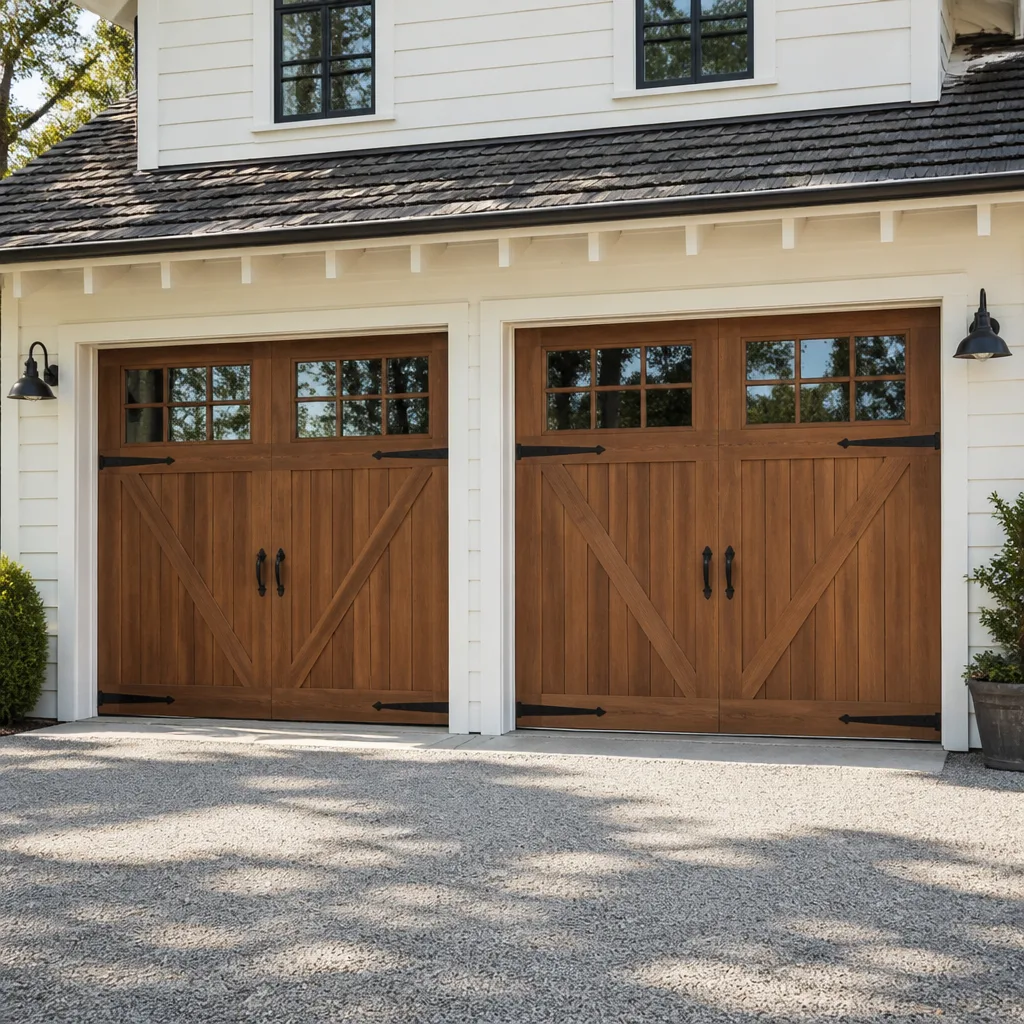 Carriage house
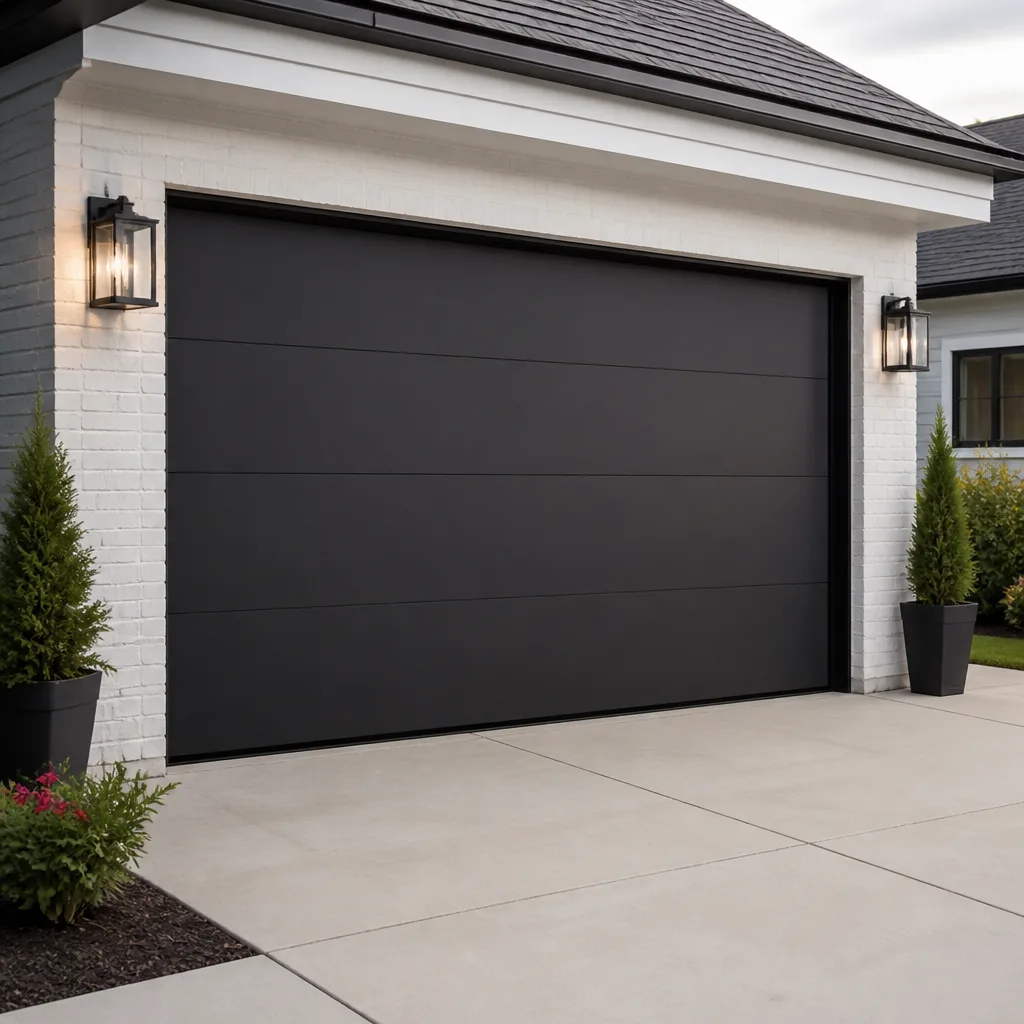 Modern flush
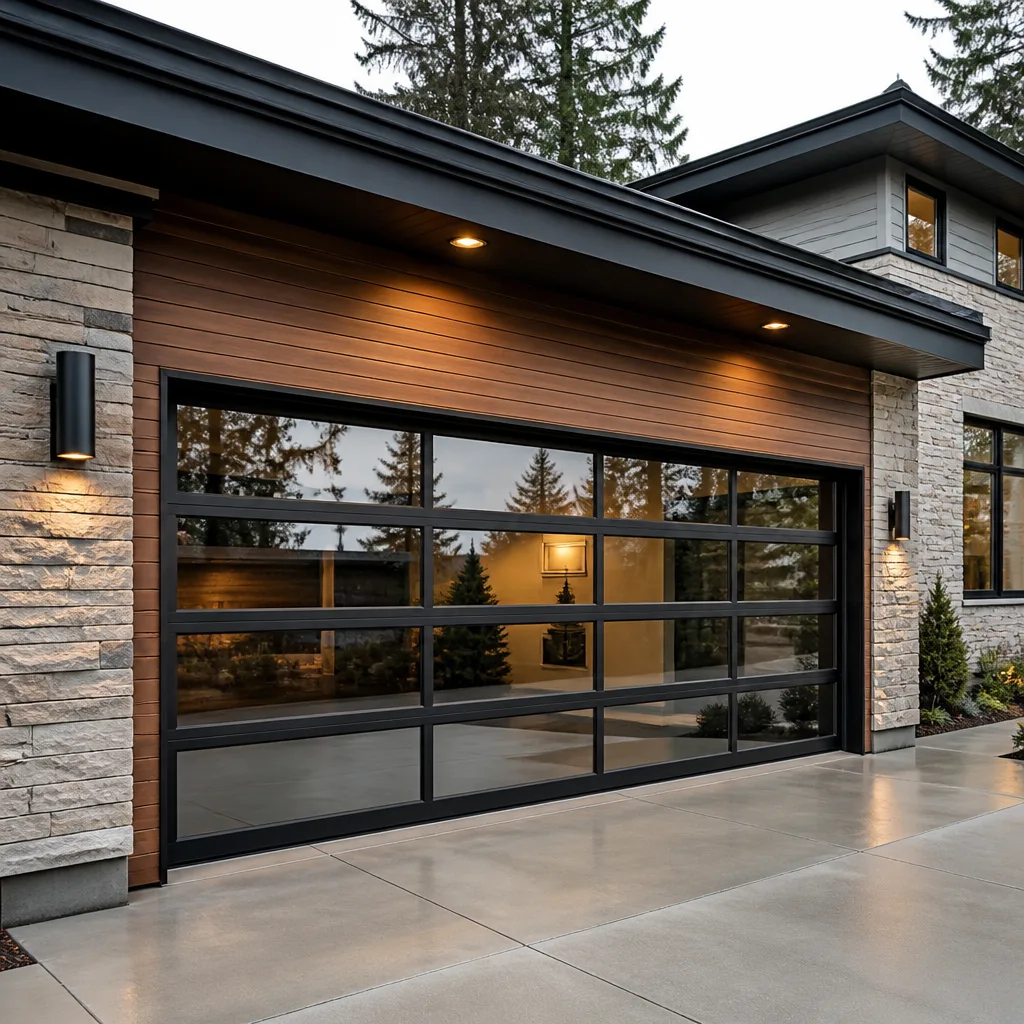 Full-view glass
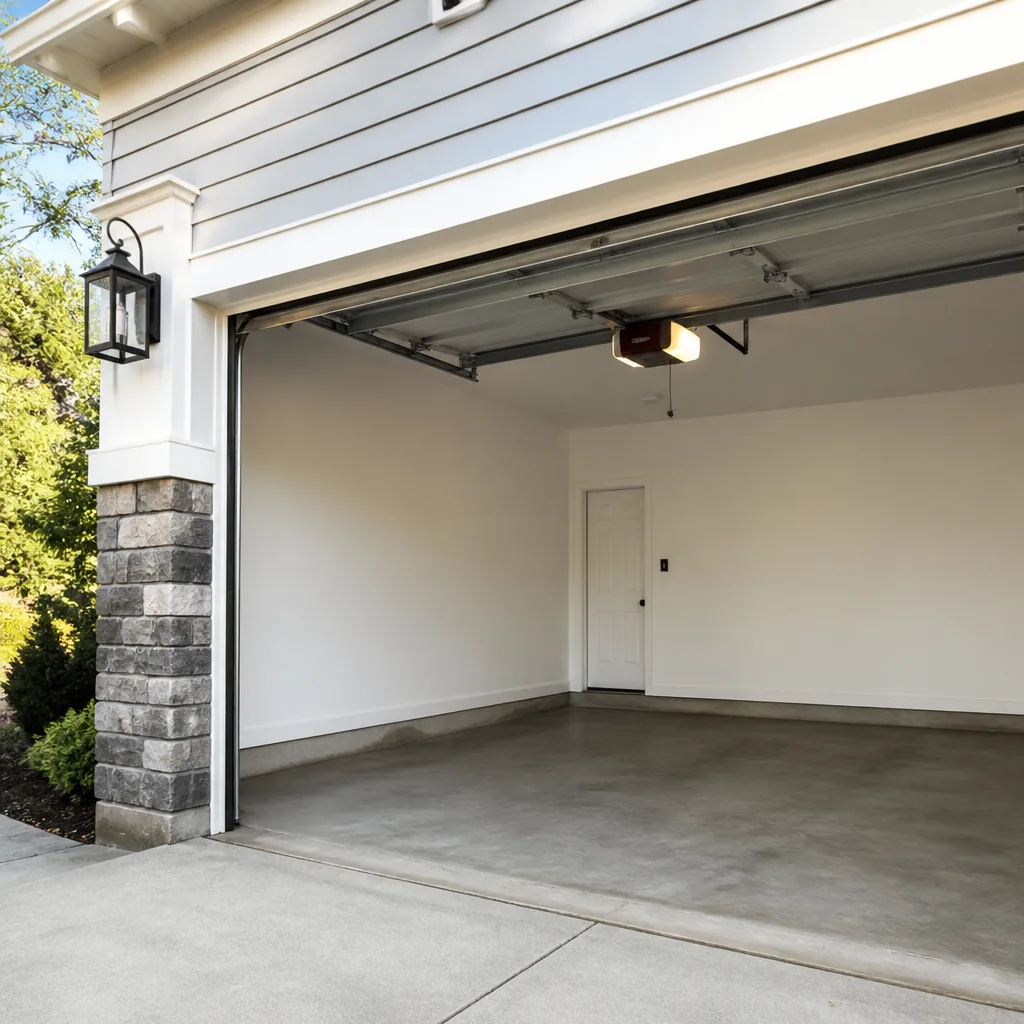 LiftMaster openers
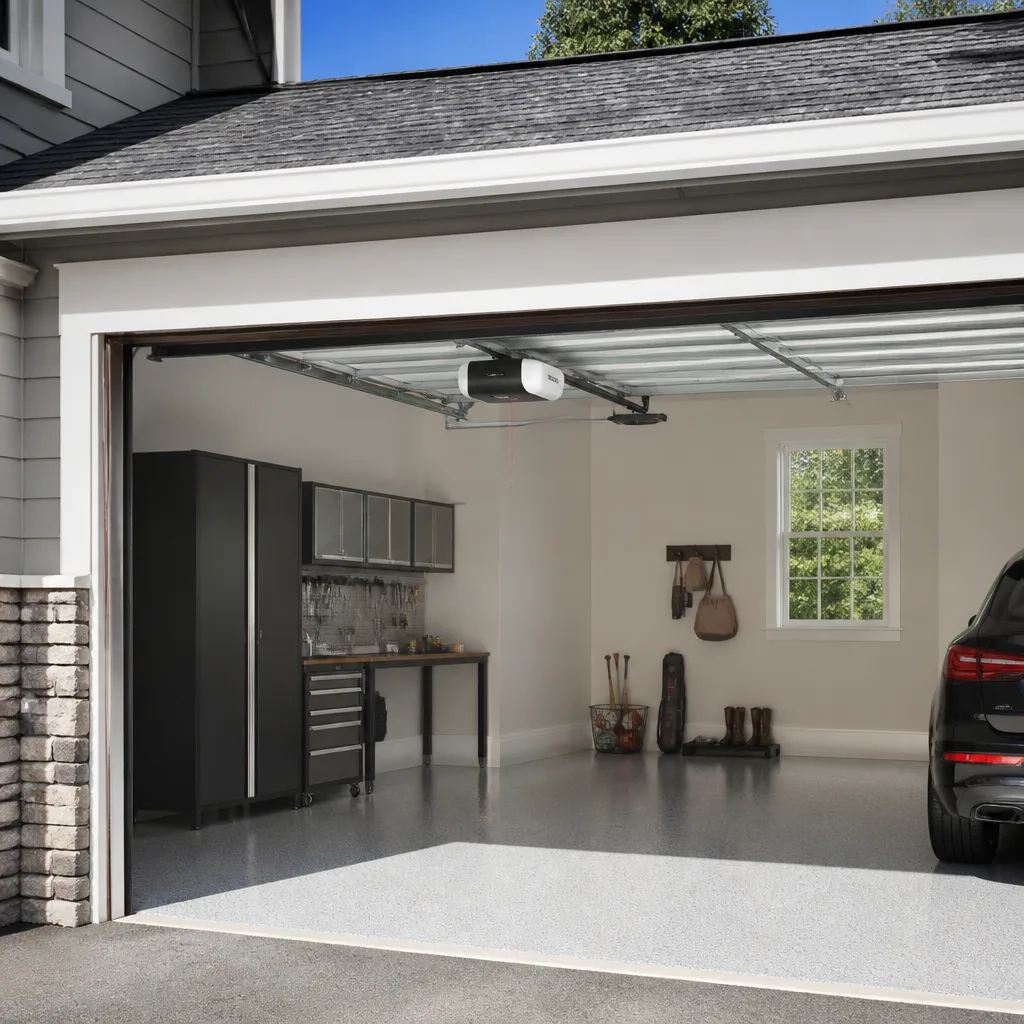 Chamberlain openers
Full 25-point door and opener safety check with every visit - springs, cables, rollers, tracks, and your LiftMaster or Chamberlain opener included
You get a price before we start. It does not change when the pro arrives.
Get your free estimateThe Complete Guide to Garage Doors in Yonkers
Most Yonkers garage doors were built for a different era, and the hardware holding them up hasn’t been touched since. In a city where a 1920s Colonial, a 1950s ranch, and a new Riverdale-edge townhome can sit on the same block, garage door advice pulled from a national website rarely fits any of them. The doors here run on a mix of extension springs and torsion systems, the winters along the Saw Mill River Parkway swing between freeze and thaw, and dense lots put a premium on clearance and quiet operation. This guide maps the decisions a Yonkers homeowner actually faces, from sizing a door on a 1940s Tudor to picking an opener for sub-freezing mornings.
Quick Answer
Garage door work in Yonkers comes down to matching the door, spring system, and opener to the age and construction of your house, then keeping the high-tension parts serviced before they fail. Most local repairs fall into spring replacement, opener repair, and off-track realignment, while installations need careful measuring because so many Yonkers homes carry non-standard openings. For anything involving springs, cables, or a door that won’t close, a trained technician is the right call.
Styles & brands we work with
- Raised-panel steel
- Carriage house
- Modern flush
- Full-view glass
- LiftMaster openers
- Chamberlain openers
Table of Contents
- How Yonkers Housing Eras Shape Your Door
- Torsion vs. Extension Springs: What Yonkers Homes Have
- Hudson Valley Weather and Your Garage Door
- Choosing an Opener for Northeast Freeze-Thaw Cycles
- Brand Compatibility When You Replace a Failed Opener
- Yonkers Permits and Inspections for a Door Swap
- How to Choose a New Door for a Yonkers Home
- A Maintenance Routine That Fits Local Conditions
How Yonkers Housing Eras Shape Your Door
The single biggest reason generic garage door advice fails in Yonkers is the age of the housing stock. A door that fits a postwar ranch in the northern part of the city won’t drop into a pre-war home with a shallow, hand-framed opening. Knowing which era your house falls into tells you almost everything about sizing, material, and spring type before a technician ever arrives.
Pre-war homes (roughly 1900 to 1940). These are the detached and semi-detached garages behind Tudors, Colonials, and Craftsman-style houses, often in neighborhoods like Cedar Park and around the old estates. Openings tend to be narrower and less standardized. Many of these garages were built for cars a fraction of today’s size, so a modern door has to be custom-fitted or the rough opening adjusted. Single-panel or carriage-style doors are common, and wood or wood-look steel fits the architecture far better than a plain raised-panel slab.
Postwar homes (roughly 1945 to 1975). The big build-out brought attached garages, wider openings, and the first mass use of sectional doors. Ranches and split-levels in areas like Homefield and Wakefield often have 8-foot-wide openings and ceilings tight enough that low-headroom hardware matters. These are the homes where extension springs were standard and where a torsion conversion can make sense during a bigger repair.
Modern homes (1980s onward). Newer construction and renovations across the city use standard 16-foot double doors for two-car garages and 8- or 9-foot doors for single bays, with torsion springs and jackshaft or belt-drive openers. Here the decisions are mostly about insulation and opener features rather than fighting an odd opening.
If you’re unsure which category you’re in, measure the rough opening, note the ceiling height at the door, and look at whether the springs sit above the door on a shaft (torsion) or run along the tracks on the sides (extension). A quick garage door installation consultation can confirm what will fit before you order anything.
Torsion vs. Extension Springs: What Yonkers Homes Have
Two spring systems do the heavy lifting, and which one you have changes how the repair works. Torsion springs mount on a steel shaft above the door and twist to counterbalance its weight. Extension springs stretch along the horizontal tracks on each side. The age of your Yonkers home usually predicts which you’ll find: extension springs dominate older postwar garages, while torsion is standard on newer construction and on any door that’s been upgraded.
How they differ in practice
- Torsion: cleaner operation, longer typical life, better for heavier and insulated doors, and it fails relatively quietly (a loud snap, then the door won’t rise).
- Extension: simpler and cheaper to replace, but it needs safety cables running through each spring so a broken spring can’t fly loose, and it fails more violently.
Why the choice matters for safety
Both systems store enormous energy. A torsion spring under tension or an extension spring at rest can cause serious injury if handled without the right winding bars and the proper understanding of load. We don’t hand out step-by-step instructions for this reason. What you can safely do is look, listen, and call: if you see a gap in a torsion spring, a stretched-out extension spring, or the door feels suddenly heavy, that’s a job for a trained technician. Spring repair done safely is a dedicated service at Yonkers Garage Door Repair Pros, and it’s the component we treat with the most care because it’s the most dangerous part of the whole system.
One pricing note that trips people up: springs are quoted individually. A matched pair usually gets replaced together, so expect a pair to cost roughly twice a single spring. When you get a quote for garage door repair in Yonkers, ask whether the number covers one spring or the pair so there’s no surprise at the invoice.
Hudson Valley Weather and Your Garage Door
The freeze-thaw cycle is the quiet enemy of a Yonkers garage door. Through the cold months, the temperature can climb above freezing by afternoon and drop well below it overnight, and that swing works on every moving part. Metal contracts and expands, lubricant thickens or thins, and the bottom seal takes the brunt where the door meets a slab that may have heaved slightly over the decades.
What the local climate does to a door
- Cold mornings: opener gears, drive belts, and rollers stiffen. A door that runs fine in June can groan or stall in a January cold snap.
- Snow and ice at the threshold: packed ice under the bottom seal can stop a door from closing fully, which trips the safety reverse and leaves the door open.
- Salt and grit tracked in from the street: road treatment grinds into hinges and rollers and wears the finish.
- Summer humidity: wood doors in particular absorb moisture and can warp, which throws the door out of square and stresses the hardware.
A door that won’t close because of a small ice ridge is one of the most common winter calls, and the fix is often clearance and seal work rather than a new door. If your door stalls in the cold, garage door opener repair may be the answer, because the opener itself can be the weak link once the grease thickens. If you’re stuck with a door that won’t close and the house is open to the weather, emergency garage door service exists for exactly that situation.
Choosing an Opener for Northeast Freeze-Thaw Cycles
An opener built for a mild climate and one built for a Yonkers winter are not the same animal. The opener has to overcome a stiff, cold door and do it reliably thousands of times, so the drive type and the motor matter more here than they do in a warmer market. The good news is that the three names most Yonkers homeowners already have on their ceiling, LiftMaster, Chamberlain, and Genie, all make models up to the job if they’re sized and installed correctly.
Drive types, ranked for cold-weather reliability
- Belt drive: quietest, and the belt is more forgiving of cold than a chain. The right choice if a bedroom sits above or beside the garage.
- Chain drive: tough and long-lived, but louder and prone to slapping as it ages. Fine for detached garages where noise doesn’t carry.
- Screw drive: fewer moving parts and steady in cold, though louder than belt and less common in residential settings.
- Jackshaft (side-mount): mounts beside the door instead of on the ceiling, which is the answer for low-headroom garages common in older Yonkers homes.
What to look for
Match the opener’s lifting capacity to the weight of your door, especially if you’ve added insulation or a wood door. Look for a battery backup if you don’t want to be locked out during a power cut, and check that the safety reverse sensors are the modern photo-eye type. Smart-home compatibility is worth having if you want to check or open the door from your phone, and modern LiftMaster, Chamberlain, and Genie systems all cover that. What matters most is that the opener is installed and force-adjusted for your specific door, not just bolted in and left.
Brand Compatibility When You Replace a Failed Opener
Here’s where a lot of Yonkers homeowners get it wrong: they buy a new opener online, assume it’ll connect to the existing door and hardware, and find out at the worst moment that the rail length, the force settings, or the safety sensors don’t match. A new opener isn’t a universal part. It has to be matched to your door’s size, weight, and travel, even when the brand on the box is a familiar one like Genie or LiftMaster.
The compatibility traps
- Rail length vs. door height: an opener rail bought for a 7-foot door won’t correctly fit an 8-foot opening without a rail extension.
- Force and travel limits: these get set to the door, not the box. A door with a stiff or heavy spring needs the opener tuned to it or the reverse safety can misbehave.
- Old remote and keypad ecosystems: a new opener may not accept the remotes and wall controls already mounted in your house, which means new ones or a compatibility module.
- Door balance: a worn door that’s out of balance will burn through a new opener no matter how good it is, because the opener is fighting weight the springs should be carrying.
The same issue shows up on the door side. If you’re replacing a Clopay with an Amarr, or swapping a Wayne Dalton for something else, the hardware, track, and spring may need to change with it. We work on whatever brand you have, whether it’s LiftMaster, Chamberlain, Genie, Clopay, Amarr, Wayne Dalton, Craftsman, or Raynor, and that’s the reason a single call can diagnose and resolve a mismatched system rather than sending you back and forth between vendors.
Our technicians have up to 10 years of experience across these systems, which is what lets us sort out an older door paired with a modern opener without guessing. If your internet search for opener help led you here, the main repair hub at Yonkers Garage Door Repair Pros is the place to start a request.
Yonkers Permits and Inspections for a Door Swap
Whether a Yonkers door swap needs a permit or inspection depends on what’s actually being changed, so the reliable move is to ask the city’s building department before you schedule the work. A straight like-for-like replacement of a door in the same opening is one thing. Structural changes to the opening, a new header, or electrical work tied to a new opener are another, and those steps can trigger a permit or inspection requirement.
When to check with the city
- Same-size door in the same opening: often the simplest path, but confirm the requirement with the city before ordering.
- Changing the opening: widening or raising the rough opening, or altering the framing, needs a conversation with the building department first.
- New electrical for an opener: if you’re adding a circuit or moving an outlet, that’s a code question best answered by the city and a licensed electrician.
- Structural changes near the header: anything that touches load-bearing framing should be permitted and inspected.
We don’t guess at local code. Our job is to install the door correctly and point you to the city building department for the permit question, so you’re not caught by a surprise requirement after the work is done. When you request a free measure for garage door installation, mention what you plan to change and we’ll flag anything that needs a city conversation before we proceed.
How to Choose a New Door for a Yonkers Home
A new door should fit the house and the climate. In Yonkers that means respecting the architecture on older blocks while choosing a material that can handle freeze-thaw winters and humid summers. Style is the fun part; material and insulation are the decisions that actually affect how the door performs.
Step by step
- Match the style to the era. A carriage-house or raised-panel design suits a pre-war Tudor; a clean flush or modern panel works on a newer build.
- Pick a weather-ready material. Insulated steel is the workhorse for local conditions. Wood has character but needs regular upkeep in this humidity. Aluminum and composite are worth a look for lighter maintenance.
- Decide on insulation. If the garage sits under or beside living space, an insulated door keeps the room above warmer and quiets the operation.
- Confirm the opening measurements. In older Yonkers garages this is where custom sizing earns its keep.
- Plan the spring and opener together. A heavier insulated door needs the right spring and a capable opener, not a reused pair from the old setup.
An installation is measured, ordered, and scheduled, so it’s a free-measure-and-written-price process rather than a same-day fix. That’s the right way to do it: you know exactly what’s coming and what it costs before anything is ordered. If you’re weighing a repair against a replacement, our repair service page covers when fixing makes more sense.
A Maintenance Routine That Fits Local Conditions
Small maintenance keeps a Yonkers door working through the seasons and catches problems while they’re cheap to fix. You don’t need to touch the springs; leave tension work to a technician. What you can do is keep the moving parts clean and let a professional handle the rest on a schedule.
What you can safely do
- Lubricate: a garage-door lubricant on hinges, rollers, and the track keeps things moving in cold weather and quiets the door.
- Clear the threshold: sweep away grit and knock off ice at the bottom seal so the door closes fully.
- Look and listen: note any new noise, a door that reverses before touching the floor, or a gap in a spring.
- Test the safety reverse: put a small object under the door, close it, and confirm it reverses. If it doesn’t, stop using the opener and call.
What a technician should check
Spring tension and balance, cable condition, roller and hinge wear, track alignment, and the opener’s force settings are all things to leave to a trained pro. A door that’s out of balance will wear through new parts quickly, so balancing it is part of any proper service. If your door is starting to act up in the cold, our opener service page covers the electrical side, and our main Yonkers Garage Door Repair Pros hub is where to start for anything else.
Common Mistakes to Avoid
- Treating springs as a do-it-yourself job. The tension in a torsion or extension spring can injure you badly. Watch the door, don’t touch the tension, and call a technician.
- Sizing a door from a website instead of the opening. Older Yonkers garages are often non-standard, and a door that doesn’t match the rough opening won’t seal or run right.
- Buying an opener without checking the door. An out-of-balance door kills a new opener. Fix the balance first, then install the opener.
- Ignoring the bottom seal. In a freeze-thaw climate, a worn seal lets ice and water in and makes the door reverse on its own.
- Assuming a permit isn’t needed. Changes to the rough opening or new electrical can need a city conversation. Ask the building department before you start.
- Quoting a single spring as if it covers a pair. A matched pair is usually replaced together, so confirm whether a price covers one spring or two.
- Skipping lubrication. A dry door works harder in cold weather and wears out parts faster. A little lubricant goes a long way.
See the difference
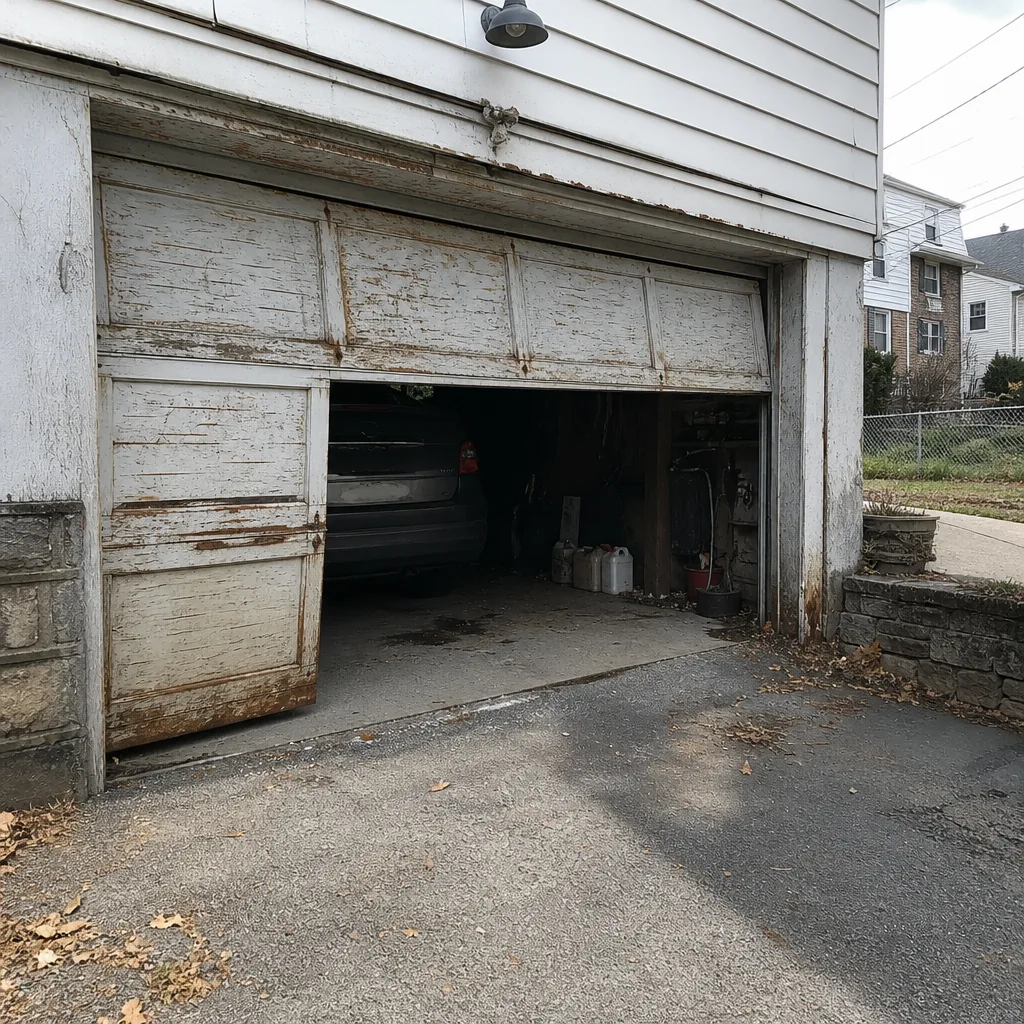 Before
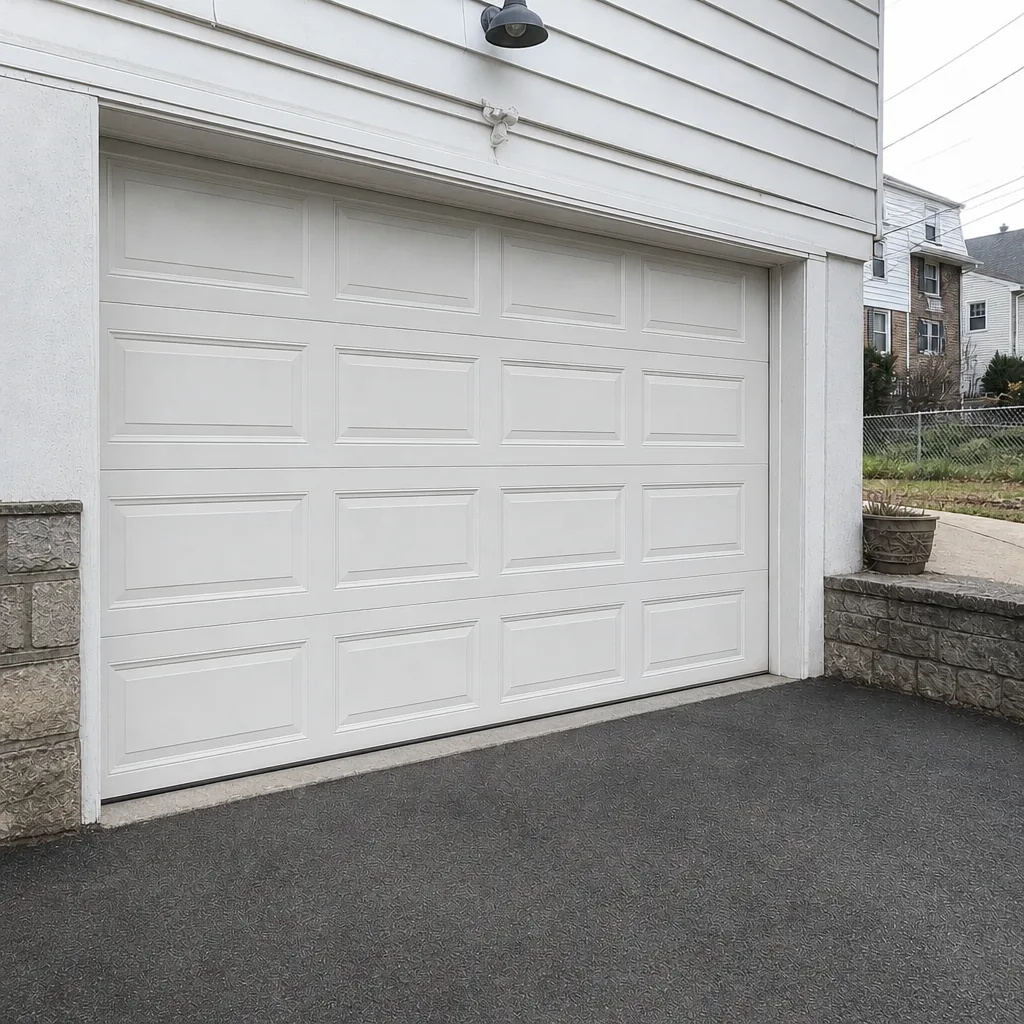 After
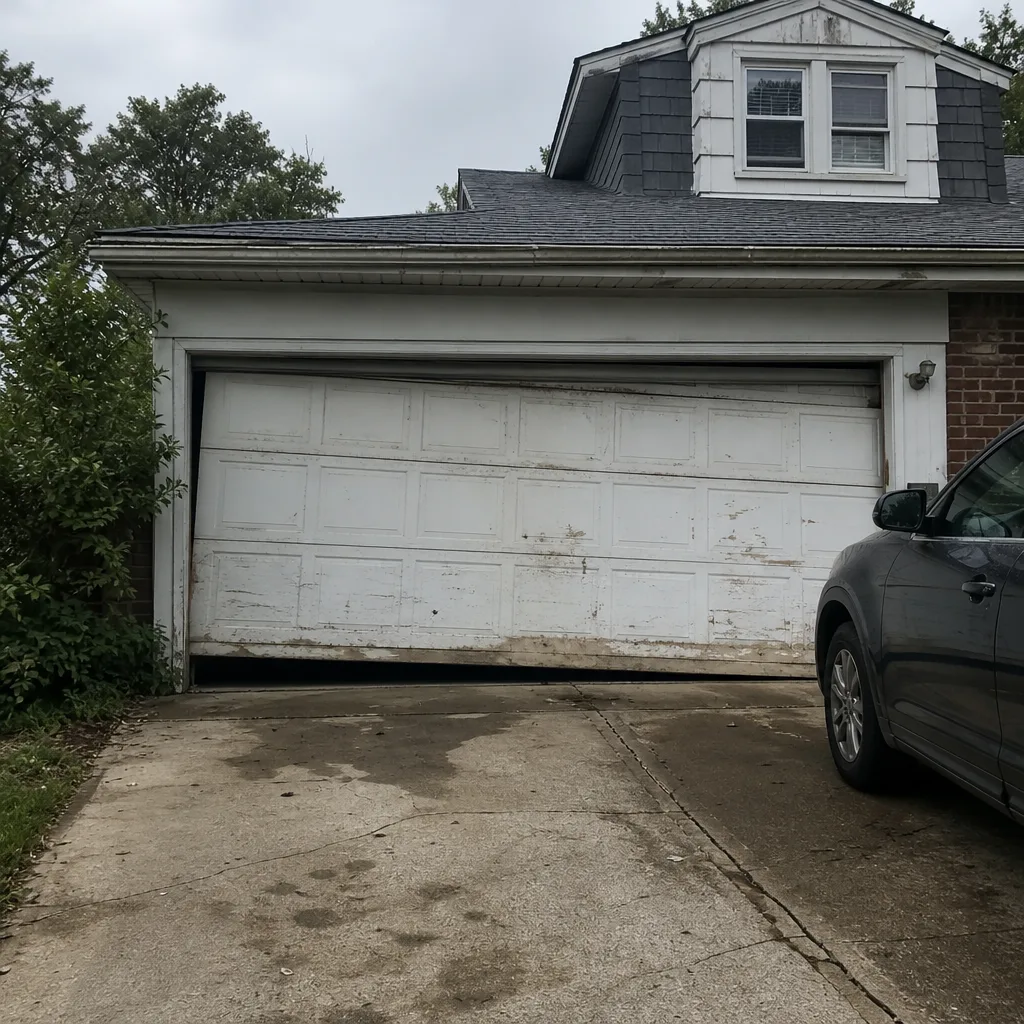 Before
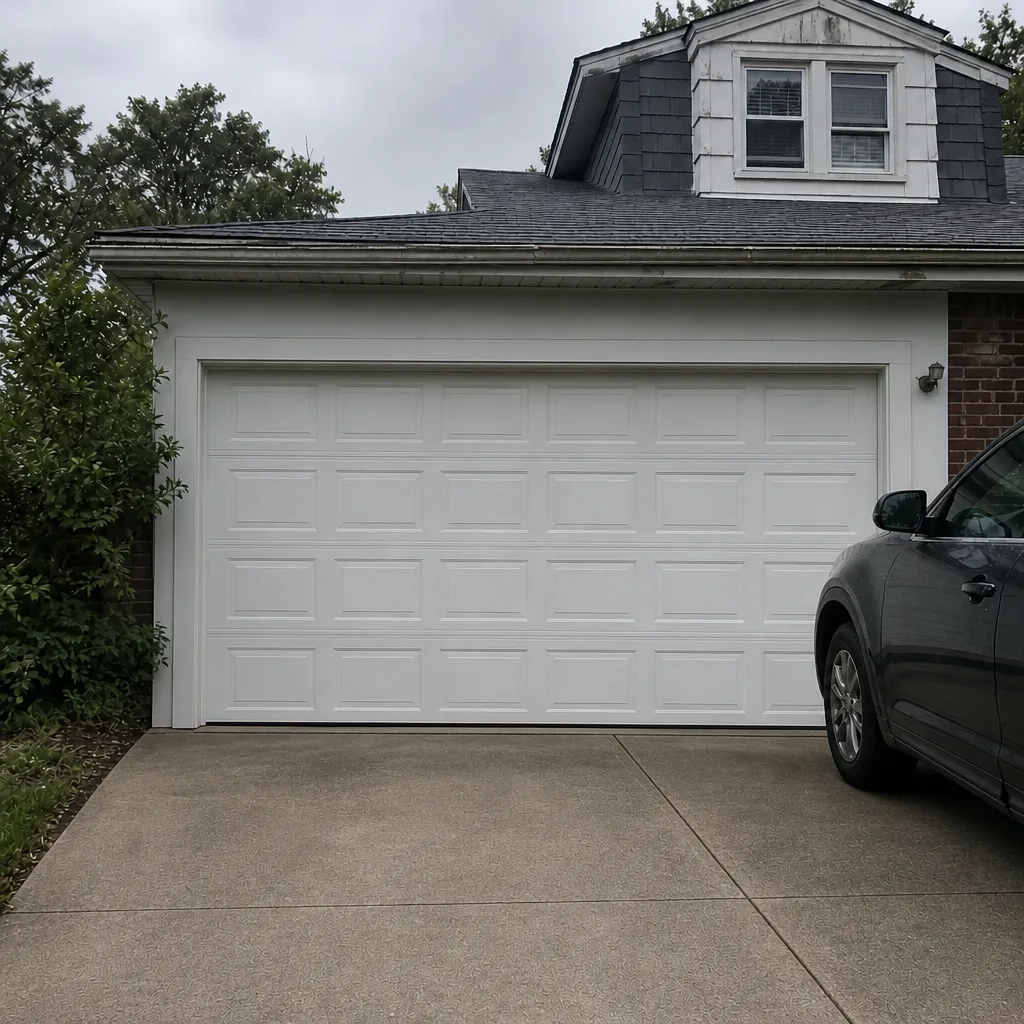 After
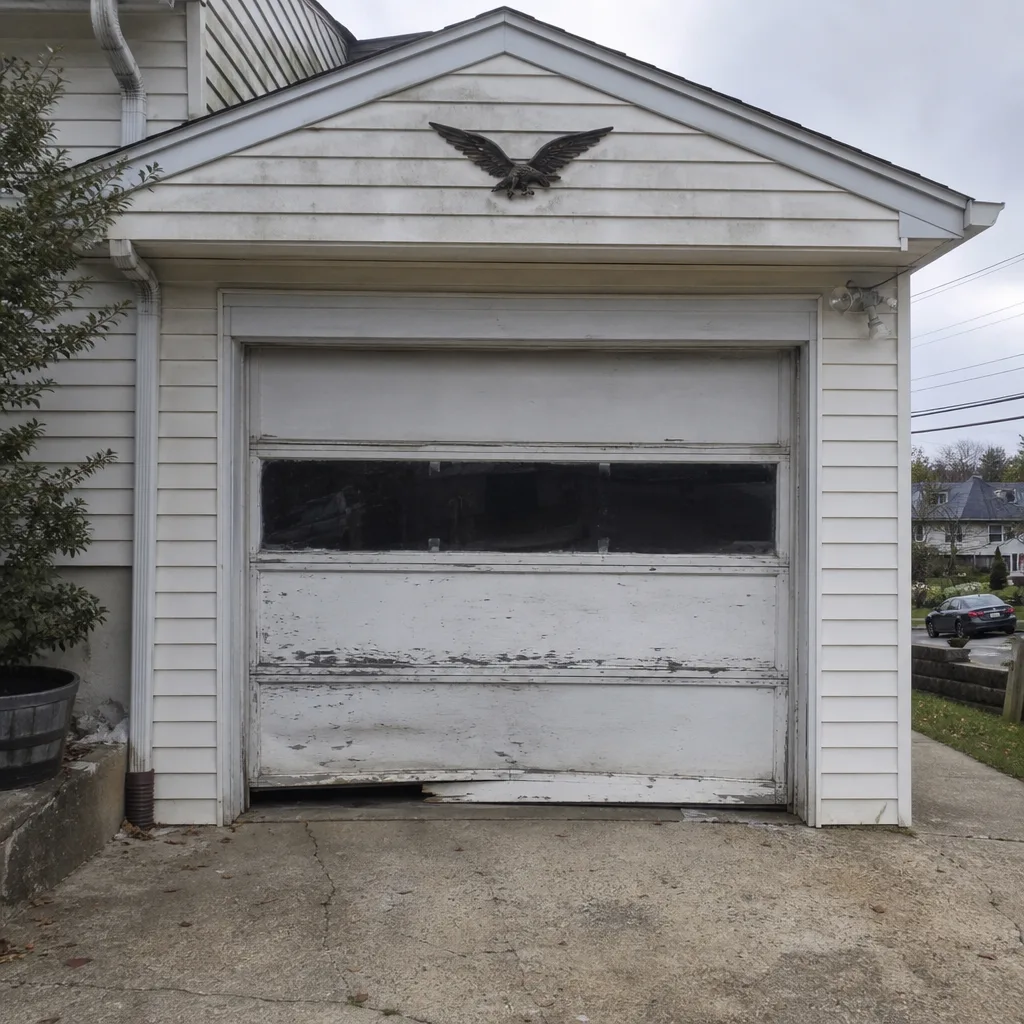 Before
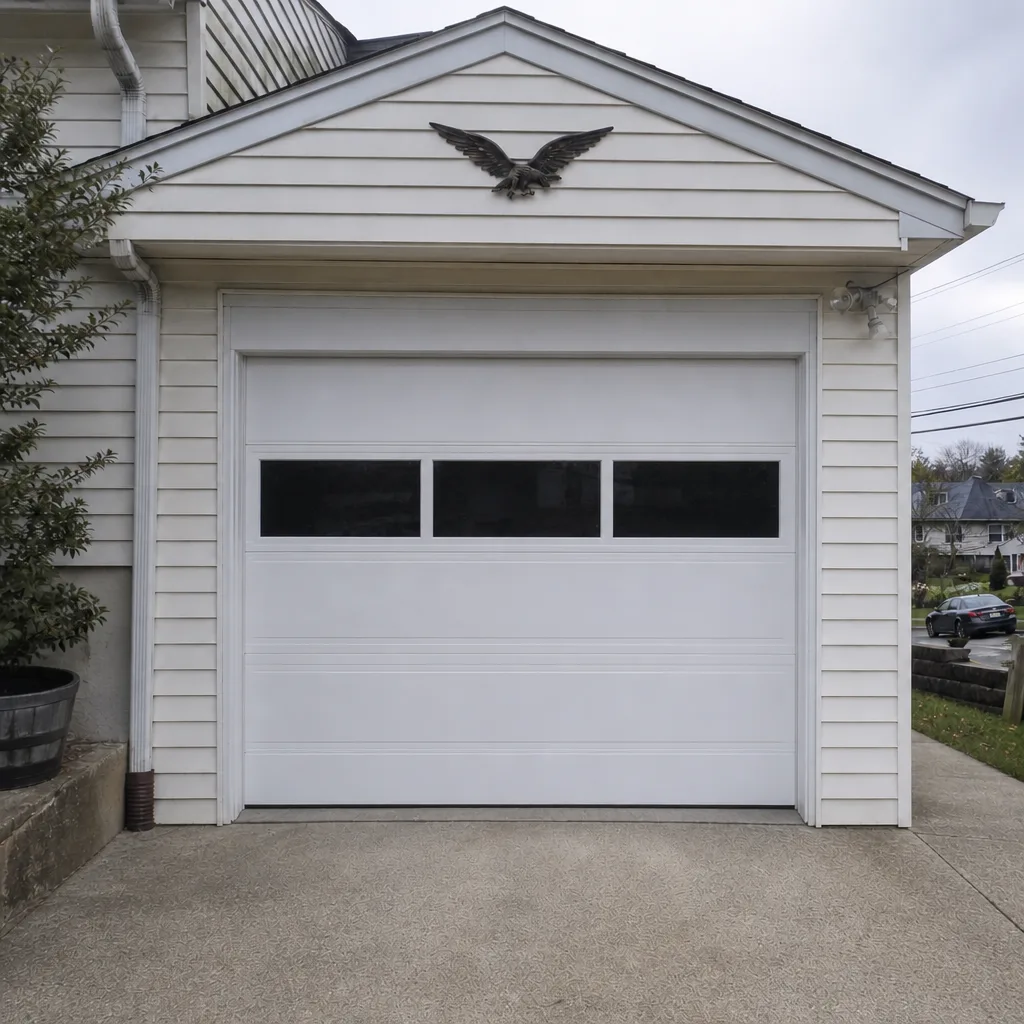 After
When to Call a Professional
Some problems are worth a call even if the door still moves. If a spring has snapped, you see a gap in the torsion spring, or the door won’t stay up on its own, stop using it and call. A door that won’t close, one that’s jumped its track, or a cable that’s frayed are also jobs for a technician. If your opener runs but the door doesn’t move, or the door reverses for no reason, that’s an opener or safety-sensor issue worth diagnosing. Anything involving the springs, cables, or a door hanging off its track is a safety matter, not a weekend project. Yonkers Garage Door Repair Pros offers free estimates in Yonkers and emergency service for a door stuck open or refusing to close, with the price quoted and agreed before any work starts. Call (877) 492-2580.
Frequently Asked Questions
Spring repair in Yonkers typically costs somewhere in the low hundreds of dollars for a single spring, and a matched pair usually costs about twice that because both are replaced together. The written estimate sets the final price, quoted before any work begins. Call (877) 492-2580 for an exact quote; estimates are free.
Yes, we offer emergency garage door service for a door that’s stuck open, won’t close, or poses a security or safety risk. Availability depends on the day’s schedule, so the fastest way to find out is to call. Call (877) 492-2580 and we’ll book the soonest visit we can.
It depends on what you’re changing. A same-size door swap in the same opening is often the simplest path, but any change to the opening, framing, or electrical for an opener is worth confirming with the city’s building department first. Ask before you order, and we’ll flag anything that needs a city conversation during the free measure.
For a heavier or insulated door, torsion is generally the better long-term choice, while extension springs are common on older postwar garages. Either works if it’s matched to the door’s weight and installed safely. If you’re unsure what you have, a quick inspection tells you.
LiftMaster, Chamberlain, and Genie all make models that handle a Yonkers winter well when they’re sized and tuned to the door. Belt drive is the quietest and most forgiving in cold, while jackshaft models suit low-headroom garages. The brand matters less than matching the opener to your door and setting the force correctly.
The written quote is the price. We inspect before we quote, so the estimate you agree to is what you pay, provided the scope doesn’t change. Call (877) 492-2580 for a free estimate and we’ll be clear about what’s covered.
The Bottom Line
Your garage door is your home’s largest moving part, so the decisions around it are worth getting right the first time. Match the door and opener to your house’s era, understand whether you have torsion or extension springs, respect the freeze-thaw climate, and leave the high-tension parts to a trained technician. Check with the city on permits before you change anything structural, and lubricate what you can safely reach. Whether you need a repair, a new opener, a spring, or a full installation, one call handles it from diagnosis through completion. Yonkers Garage Door Repair Pros offers free estimates to homeowners across Yonkers, so call (877) 492-2580 to get started.
Written by the team at Yonkers Garage Door Repair Pros.