Last updated November 21, 2026
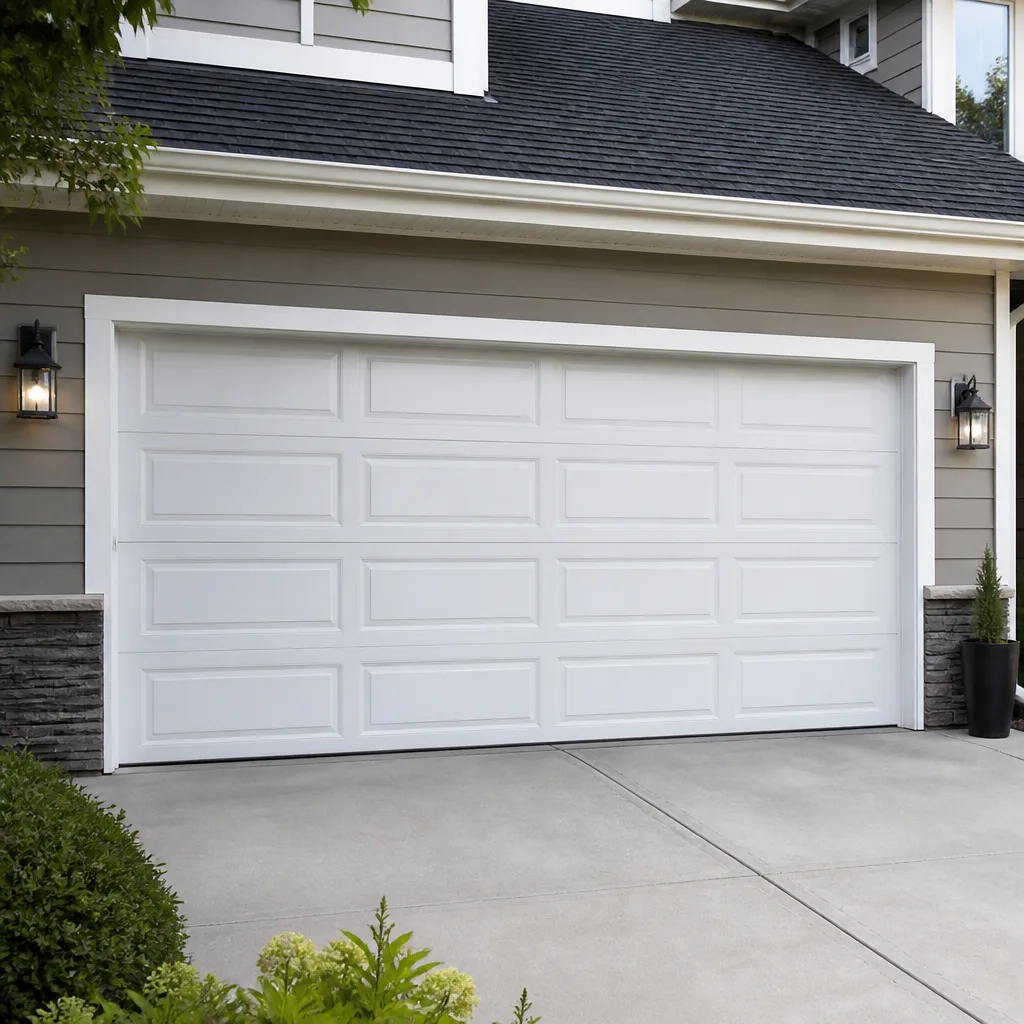 Raised-panel steel
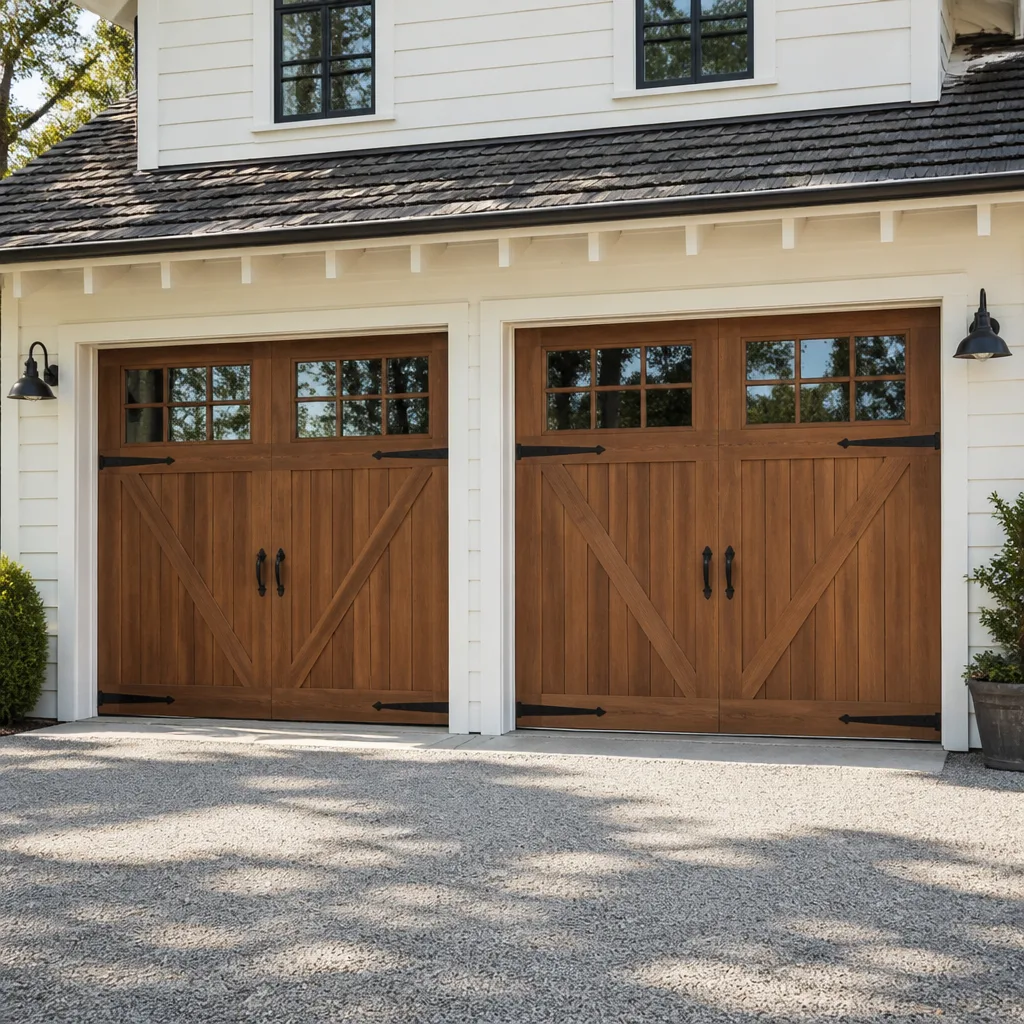 Carriage house
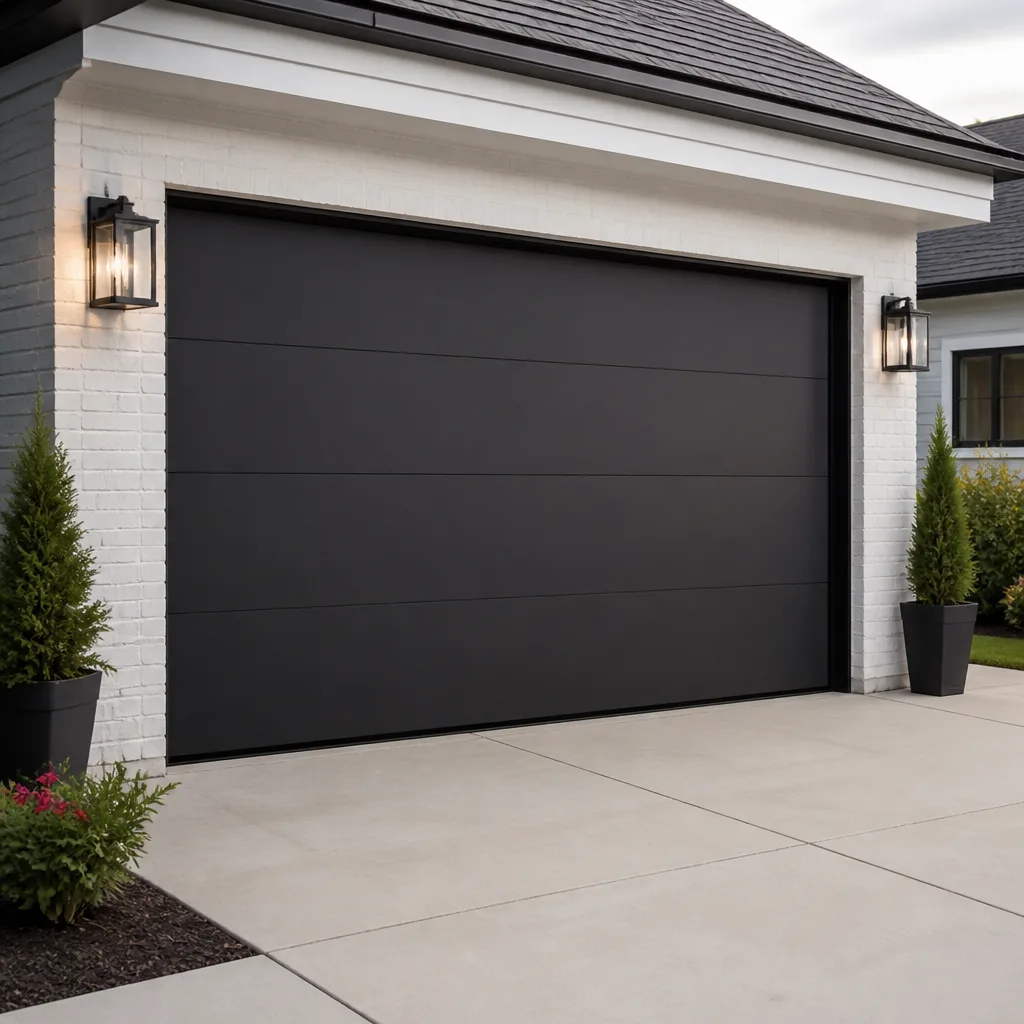 Modern flush
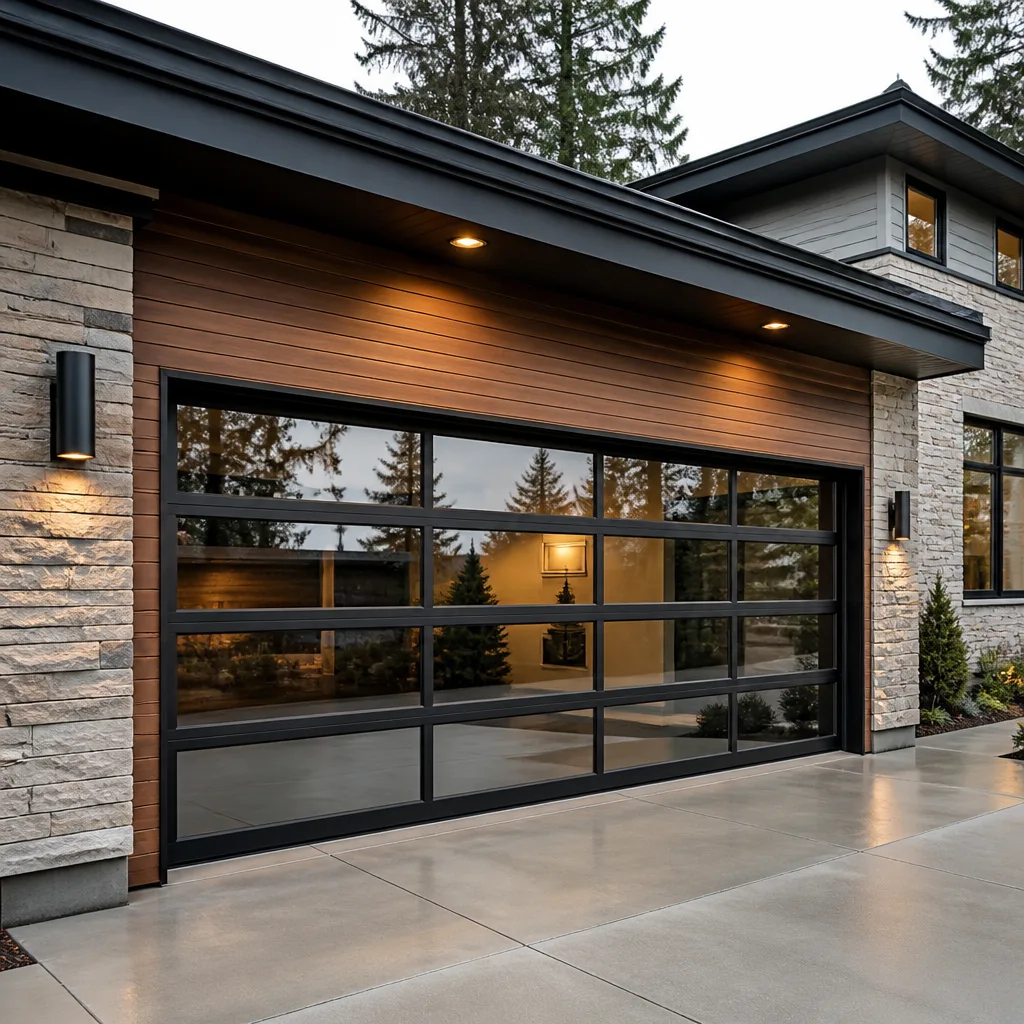 Full-view glass
 LiftMaster openers
 Chamberlain openers
Full 25-point door and opener safety check with every visit - springs, cables, rollers, tracks, and your LiftMaster or Chamberlain opener included
You get a price before we start. It does not change when the pro arrives.
Get your free estimateSeasonal Garage Door Care for Yonkers: Year-Round Homeowner’s Guide
Most homeowners in the Northeast shut their garage down for winter and assume the worst is behind them by February. It isn’t. The roughest month for a garage door in Yonkers is usually March, when the ground thaws and refreezes, water works into every seam and gap, and a torsion spring that held all winter quietly gives out on the third warm morning in a row. The stress on your door isn’t spread evenly across the calendar; it spikes hard in a few specific weeks and then goes quiet. This guide maps our seasonal maintenance tasks to the way Yonkers weather actually hits a door, month by month, so you’re adjusting the right part at the right time instead of doing one generic October tune-up and hoping it holds until spring.
Quick Answer
Seasonal garage door care in Yonkers means four distinct rounds of maintenance, not one annual tune-up: a winter prep in late fall (lubrication, bottom seal, freeze protection), a spring inspection after freeze-thaw season (springs, cables, bottom seal wear), a summer check on wood and composite door humidity damage, and a fall round of weatherstripping and opener sensitivity adjustments before temperatures drop. Each season stresses different parts of the door, so each needs its own checklist.
Styles & brands we work with
- Raised-panel steel
- Carriage house
- Modern flush
- Full-view glass
- LiftMaster openers
- Chamberlain openers
Table of Contents
- Why Yonkers weather stresses a garage door differently
- Winter prep: what to do before the first hard freeze
- Spring inspection: what freeze-thaw season leaves behind
- Summer humidity and older Yonkers wood doors
- Fall checklist: weatherstripping and opener sensitivity
- Month-by-month task calendar for Yonkers
- What you can safely check vs. what needs a technician
Why Yonkers Weather Stresses a Garage Door Differently
Yonkers sits in a freeze-thaw zone that most generic maintenance calendars flatten into a single “cold winters” category. That’s the mistake. A door here doesn’t face one long deep freeze; it faces repeated cycles of freezing at night and thawing by mid-morning for weeks at a time, especially in March and early April and again in late November. Every one of those cycles does two things.
First, it moves water. Meltwater from a thaw seeps into the gap at the bottom of the door, works under the bottom seal, and freezes again overnight. A door that sits against a wet threshold at 6 a.m. can freeze to the concrete by the time you’re leaving for work. Second, it flexes the springs. A torsion spring is under constant tension; repeated contraction and expansion from temperature swings is what fatigues the metal over a season, not a single cold snap.
The housing stock matters as much as the weather. Yonkers has a lot of older homes with wood and composite doors, and those materials move with humidity, not just temperature. A wood door that fits cleanly in January can bind against its frame in July when it swells, and shrink back with a visible gap by October. That’s why a seasonal schedule for a Yonkers home looks different from a generic one for a newer suburban build: we’re managing both freeze-thaw cycles and humidity movement in the same year.
If your door has already stopped responding to a seasonal adjustment and now sticks, binds, or won’t close all the way, that’s the point to book garage door repair rather than keep force-adjusting it yourself.
Winter Prep: What to Do Before the First Hard Freeze
Winter prep is about one thing: keeping the door from freezing shut and keeping the moving parts moving when temperatures drop. The tasks below are the ones that matter most before the first hard freeze in late fall.
- Lubricate the hinges, rollers, and spring coil. A garage door has several moving pivot points, and in cold weather a dry hinge or roller is far more likely to bind than a lubricated one. A proper garage-door lubricant (not general-purpose grease, which thickens in cold) keeps the joints working through the season.
- Inspect and clear the bottom seal. The rubber weather seal along the bottom of the door is the piece most likely to freeze to the ground. Check for cracks, tears, or a hardened edge, and replace it if it’s brittle.
- Clear the threshold. Snow melt and debris collect at the base of the door and refreeze overnight. Keeping that strip clear is the simplest way to avoid a frozen door.
- Check the opener’s force setting. A door that needs more force to lift in cold weather is telling you something. If the opener is straining, the door may be binding, not just cold.
- Test the safety reverse. Cold weather doesn’t change safety features, but it’s the right moment to confirm the door reverses properly before you’re depending on it in snow and ice.
One thing to be clear about: the torsion spring is under extreme tension at all times, and it’s the single most dangerous component on the door. Lubricating around it is fine; adjusting, loosening, or trying to “help” a spring that looks tired is not. That work belongs to a trained technician. Repairs around garage door opener repair follow the same rule: if the opener or the door it drives is fighting you, stop and get it looked at rather than push the force setting up to compensate.
Serving Yonkers homes through the cold months, our technicians see the same pattern every late fall: doors that worked fine in October start straining in December because the bottom seal hardened and the hinges dried out. Ten minutes of lubrication and a seal check in November prevents most of it.
Spring Inspection: What Freeze-Thaw Season Leaves Behind
This is the inspection most people skip, and it’s the one that matters most in Yonkers. By the time the freeze-thaw season ends, the door has been flexed through dozens of temperature swings. Spring is when you check what that stress left behind.
Springs. A torsion spring doesn’t usually fail the moment it’s stressed; it fails after accumulating fatigue. Look for visible gaps in the coil (a spring in two pieces is the obvious case), a door that feels unusually heavy, or a slight sag on one side. A door that lifts unevenly is telling you a spring is losing tension. Do not touch, adjust, or replace a torsion spring yourself; the tension in a wound spring is stored energy that can injure a person who releases it the wrong way. Spring repair done safely is worth calling in for.
Cables. The lift cables run alongside the springs and carry the door’s weight. Spring inspection is the time to look at them for fraying, rust, or slack. A cable that has lost tension or shows visible wear is a warning sign, not something to wait on.
Bottom seal. After a winter of freezing to the ground, the bottom seal is often cracked, torn, or flattened. That seal keeps out water, drafts, and pests. A torn seal lets meltwater under the door and is a common cause of a door that starts sticking in spring.
Track alignment. The ground shifting through a freeze-thaw season can knock a track slightly out of true. If the door rubs, squeals, or hesitates at a specific point in its travel, the track or rollers need attention.
Older homes in neighborhoods like Park Hill and around the Ludlow area tend to have doors that have been through many such seasons, and a spring that’s been in service across several winters is exactly the kind our technicians check first. Our technicians have up to 10 years of experience with exactly this kind of wear pattern.
Summer Humidity and Older Yonkers Wood Doors
Winter gets all the attention, but summer humidity puts a different load on a Yonkers garage door, and it’s the one most likely to be missed on a wood or composite door. Yonkers’s older homes often have wood doors, and wood moves with moisture. Humid summer air causes a door panel to swell; the swollen panel then binds against the frame or the track, and the door that glided in April starts to stick in July.
What to watch in summer:
- Binding at the frame. If the door rubs at the edges when temperatures are high and humidity is up, the wood has swollen. Don’t force it, and don’t sand the frame down; the door will shrink back in fall and leave a gap.
- Warping and panel separation. Look along the door for panels that have started to bow or seams that have opened.
- Peeling or fading finish. Paint and stain protect wood from moisture. A finish that’s breaking down lets humidity in faster, which speeds up swelling.
- Opener strain. A door that binds in humidity makes the opener work harder. If the opener is straining on high-humidity days, that’s a door problem showing up as an opener symptom.
This is also when smart-home opener features are easiest to test and adjust: a LiftMaster or Chamberlain opener paired to your phone lets you check whether the door is actually closing all the way on a humid day when you’re not standing in the garage. If the opener itself is acting up, that’s a distinct problem from a binding door, and opener repair addresses the motor and control side, while the door’s mechanical travel is a separate check.
Fall Checklist: Weatherstripping and Opener Sensitivity Before Temperatures Drop
Fall is the round of maintenance that pays off in winter. The goal is to seal the door against cold and wind, and to make sure the opener is adjusted for a door that will be moving in colder air. Work through this before the first hard freeze.
- Check and replace the perimeter weatherstripping. The seals around the sides and top of the door keep out wind, water, and cold. Cracked or hardened weatherstripping lets cold air in and lets meltwater start freezing at the edges.
- Re-check the bottom seal. If it wasn’t replaced in spring, fall is the second chance before winter.
- Test the opener’s sensitivity and safety reverse. A door should reverse when it meets an obstruction. Before winter, confirm the settings are right for the colder season; a door that will be a little stiffer in cold weather still needs its safety reverse to work.
- Lubricate the moving parts. Same hinges, rollers, and coil as the winter prep list; fall is when this gets done the second time in the year.
- Look at the door’s balance. Disconnect the opener and lift the door by hand. It should lift smoothly and stay put roughly halfway up. A door that feels heavy or won’t hold position needs a technician, not an adjustment.
Fall is also the right time to plan rather than panic. If your door needs replacing, a new installation is a measured, ordered, and scheduled job, not a same-day repair, so getting the decision made in fall means the new door is in before the weather turns. It’s worth a look at garage door installation while you’re at it; Clopay and Amarr doors are common choices for Yonkers homes, and the right door for an older house often depends on how the frame has settled over the years.
Month-by-Month Task Calendar for Yonkers
Generic Northeast calendars lump the whole winter together. Yonkers’s climate doesn’t work that way, so here’s a calendar built around the actual freeze-thaw rhythm and the humidity swing. Treat it as a guide, not a schedule written in stone; a mild year shifts everything a few weeks.
- October: The core fall round. Replace perimeter weatherstripping, re-check the bottom seal, lubricate hinges, rollers, and coil, test opener safety reverse and sensitivity, check door balance.
- November: The freeze-prep round. Clear the threshold and confirm the bottom seal won’t bond to the concrete. This is the last window before the first hard freeze to fix anything soft or worn.
- December through February: Watch, don’t work. Keep snow melt and debris cleared from the base of the door. If the door freezes to the ground at dawn, don’t force it; the seal is the problem to fix, not a door to pry up.
- March: The inspection that matters most. Freeze-thaw is peaking and this is when springs fatigue and bottom seals fail. Check springs for gaps or sag, cables for fraying, bottom seal for tears, and the track for shifting.
- April: Clean up from freeze-thaw. Replace any bottom seal damaged over winter, check the door’s travel and rollers, and confirm the opener isn’t straining as the door eases into warm weather.
- May and June: Humidity watch begins. On older wood and composite doors, check for binding at the frame, panel swelling, and finish breakdown.
- July and August: Peak humidity round. Watch for binding, warping, and opener strain on humid days. Don’t sand or force a swollen door; it will shrink back in fall.
- September: The hinge between seasons. Check the door’s balance, re-lube lightly, and start planning fall’s weatherstripping round.
The calendar is compressed in fall and spring for a reason: those are the two windows where you’re preparing for a season change and can actually fix things before the weather does the work for you. Yonkers’s climate rewards that rhythm more than most places, because both the freeze-thaw swing and the humidity swing are pronounced here.
What You Can Safely Check vs. What Needs a Technician
Plenty of seasonal care is safely DIY. Knowing which tasks are safe and which aren’t is the difference between a maintained door and an injury. Here’s the split.
Safe for most homeowners to check or do:
- Clearing the threshold and base of the door of debris and meltwater
- Cleaning and inspecting the bottom seal and perimeter weatherstripping
- Lubricating hinges, rollers, and the spring coil (with the door closed and the opener disconnected)
- Testing the opener’s safety reverse and sensitivity per the manual
- Checking visible cable wear, track alignment, and panel condition
- Reporting symptoms: the door sticks, squeals, sags, or the opener strains
Needs a trained technician:
- Any adjustment, repair, or replacement of a torsion spring or the cables attached to it
- Any sign of a broken spring or a spring with a visible gap
- A door that’s off-track or a cable that’s come loose
- Adjusting an opener’s force setting to compensate for a binding door
- Replacing a door or a major opener component
The safety line is the spring and cable system. A garage door spring stores enough energy to cause serious injury if it’s released the wrong way, and a trained professional is the only person who should be working on it. The rest of the seasonal care is about giving that technician clean signals to work from. When you call, telling us exactly when the door sticks, what it sounds like, and whether the opener is involved makes the diagnostic and repair faster. That’s true whether the door carries a Raynor, a Craftsman, or a Wayne Dalton; the symptoms do the talking regardless of the brand.
For the broader picture of how a door’s overall health ties into these seasonal tasks, the Yonkers Garage Door Repair Pros main page is a reasonable starting point before you book anything.
Common Mistakes to Avoid
- Doing one October tune-up and calling it done for the year. A single annual service doesn’t match Yonkers weather. The March freeze-thaw round is the one that catches spring fatigue and seal failure, and it happens after most people have stopped thinking about the door.
- Forcing a frozen door. If the door has frozen to the ground at dawn, prying or dragging it doesn’t solve the problem; it tears the bottom seal and stresses the opener. The seal and threshold clearance are the fix.
- Turning up the opener’s force setting to compensate for a binding door. Raising force when the door binds masks a mechanical problem and stresses the opener motor. The door is the issue, not the opener.
- Sanding a swollen wood door in July. In older Yonkers homes a humid-weather binding door will shrink back in fall. Sander to the frame in summer leaves a draft gap by October.
- Adjusting or “helping” a tired torsion spring. The spring is under extreme tension. Anyone without training who touches it is risking injury. If you see a gap or the door sags, stop and call a technician.
- Skipping the fall weatherstripping round. This is what keeps cold air and meltwater out all winter. Without it, the door freezes shut, and you start spring with a torn seal.
- Testing the safety reverse only once, years ago. It’s an easy check and it should be repeated every fall before you depend on the door in snow and ice.
See the difference
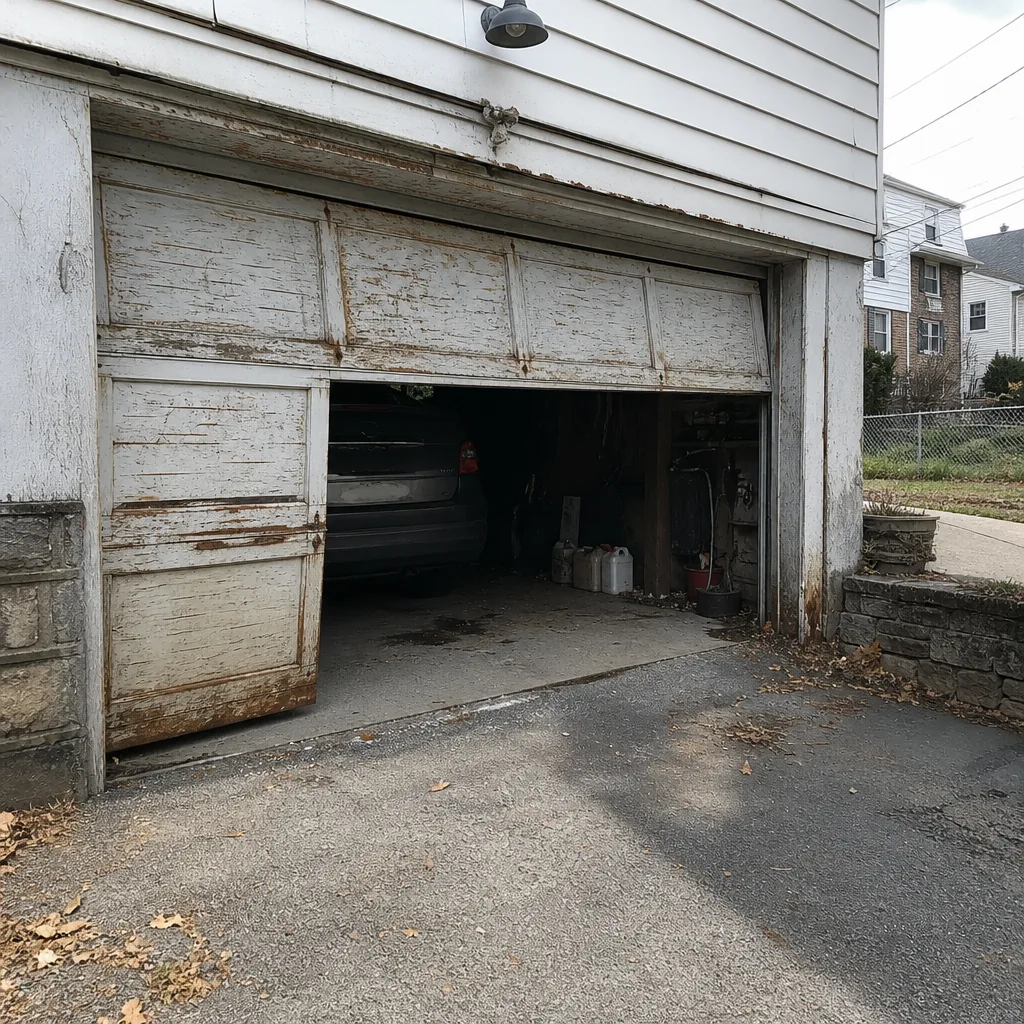 Before
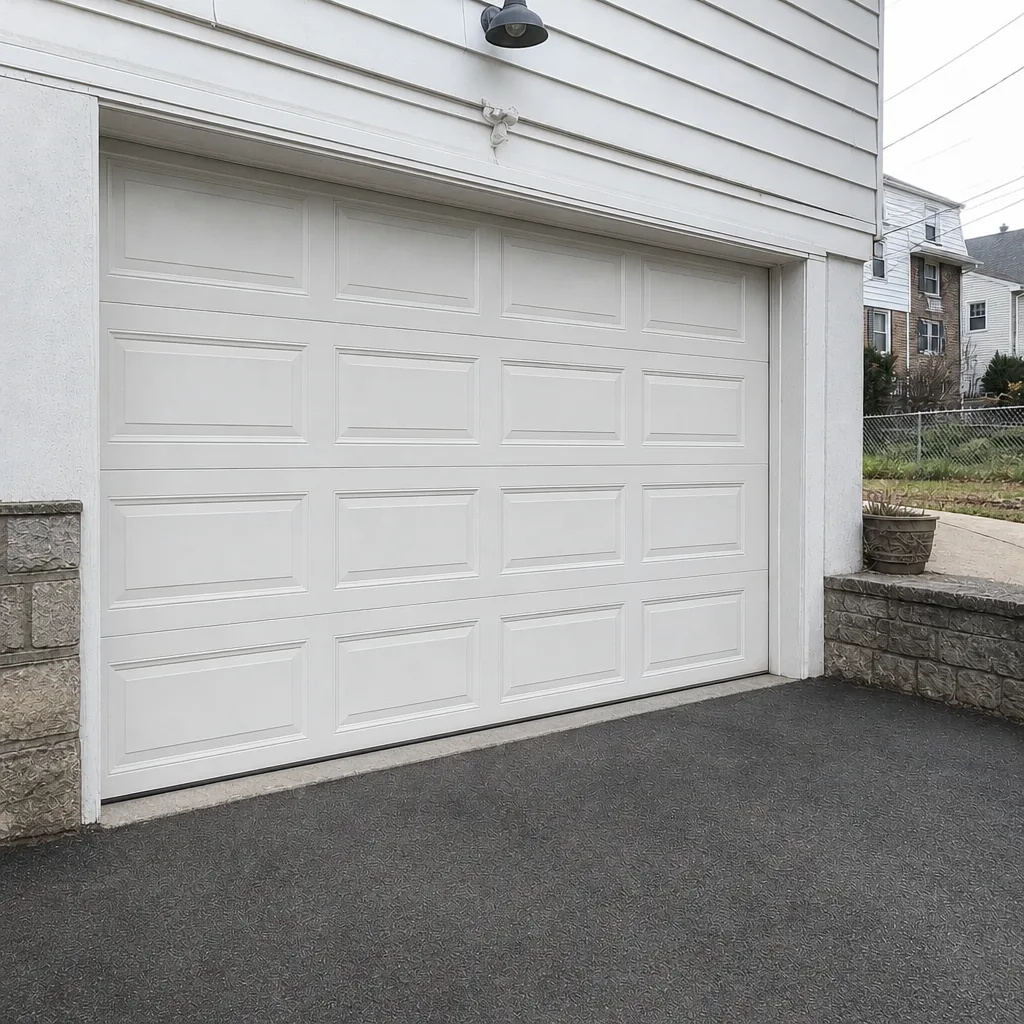 After
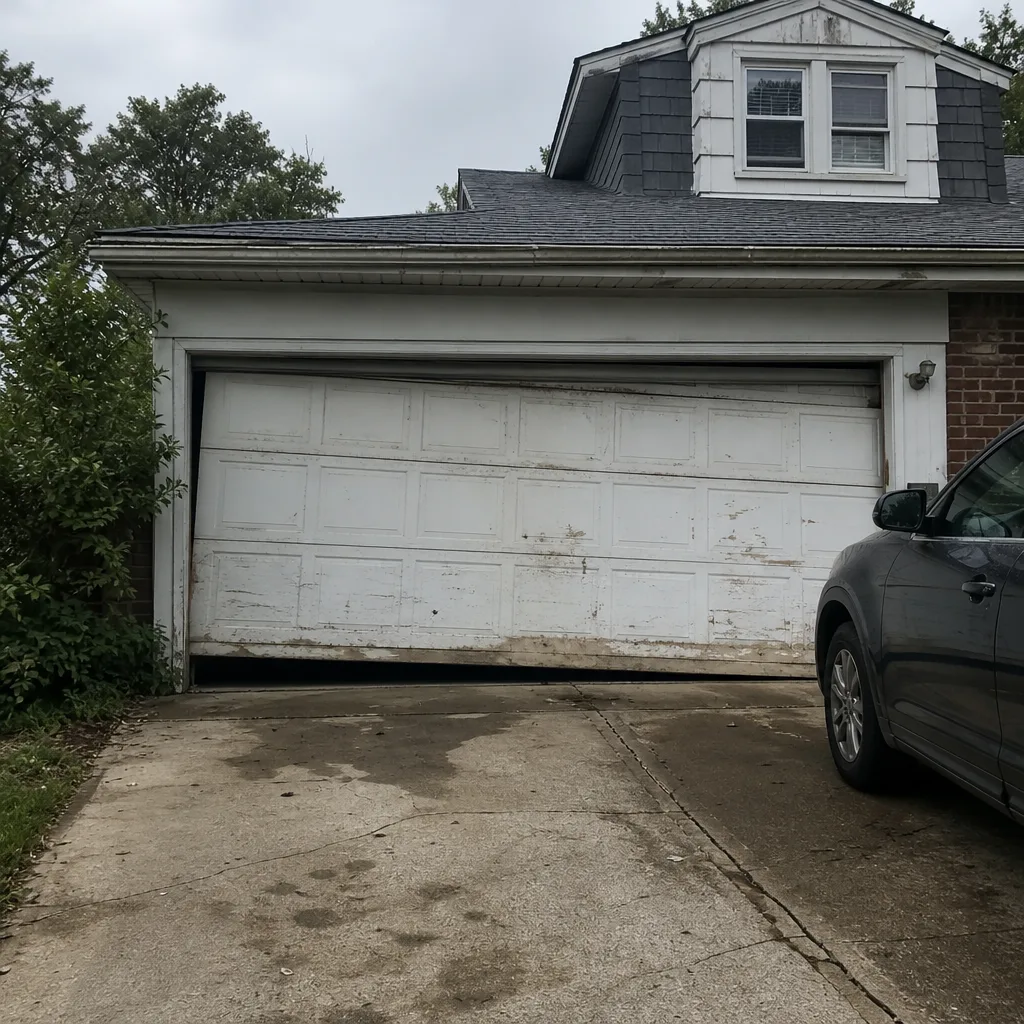 Before
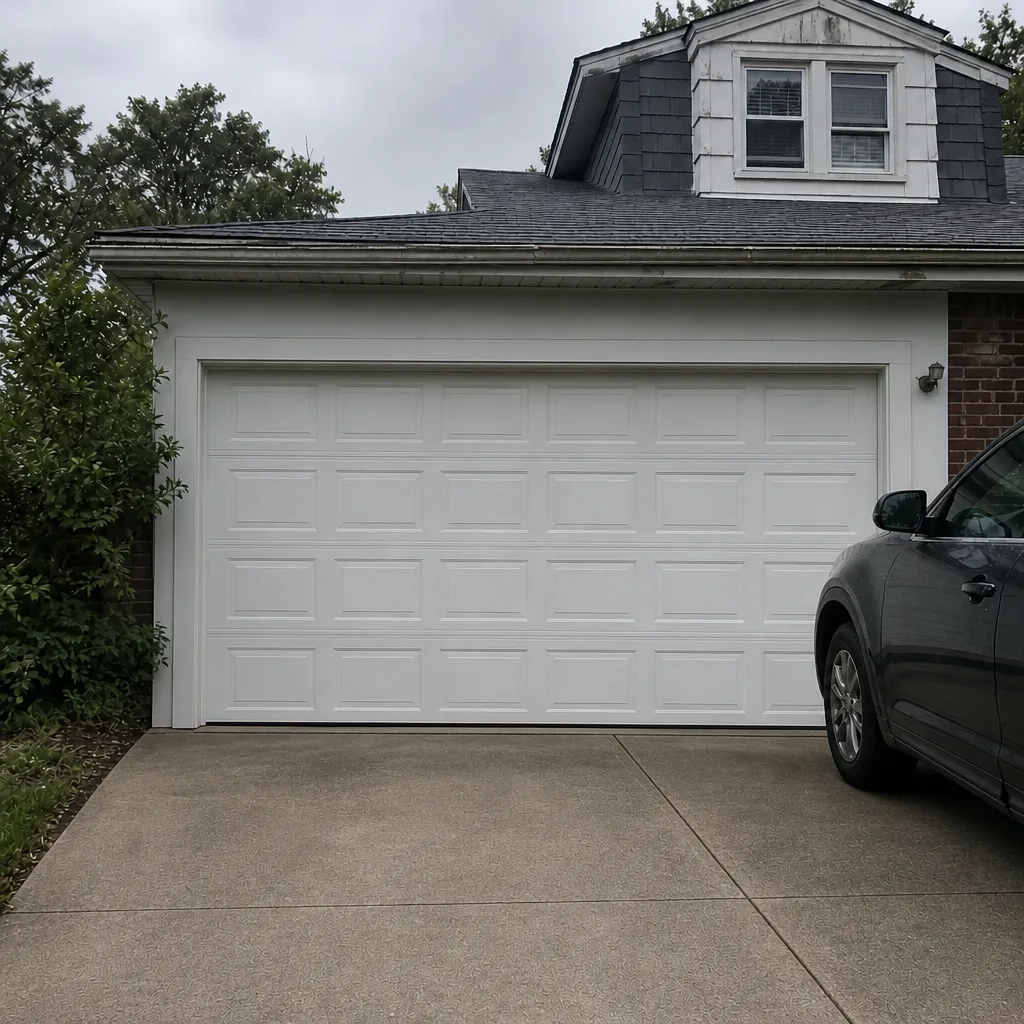 After
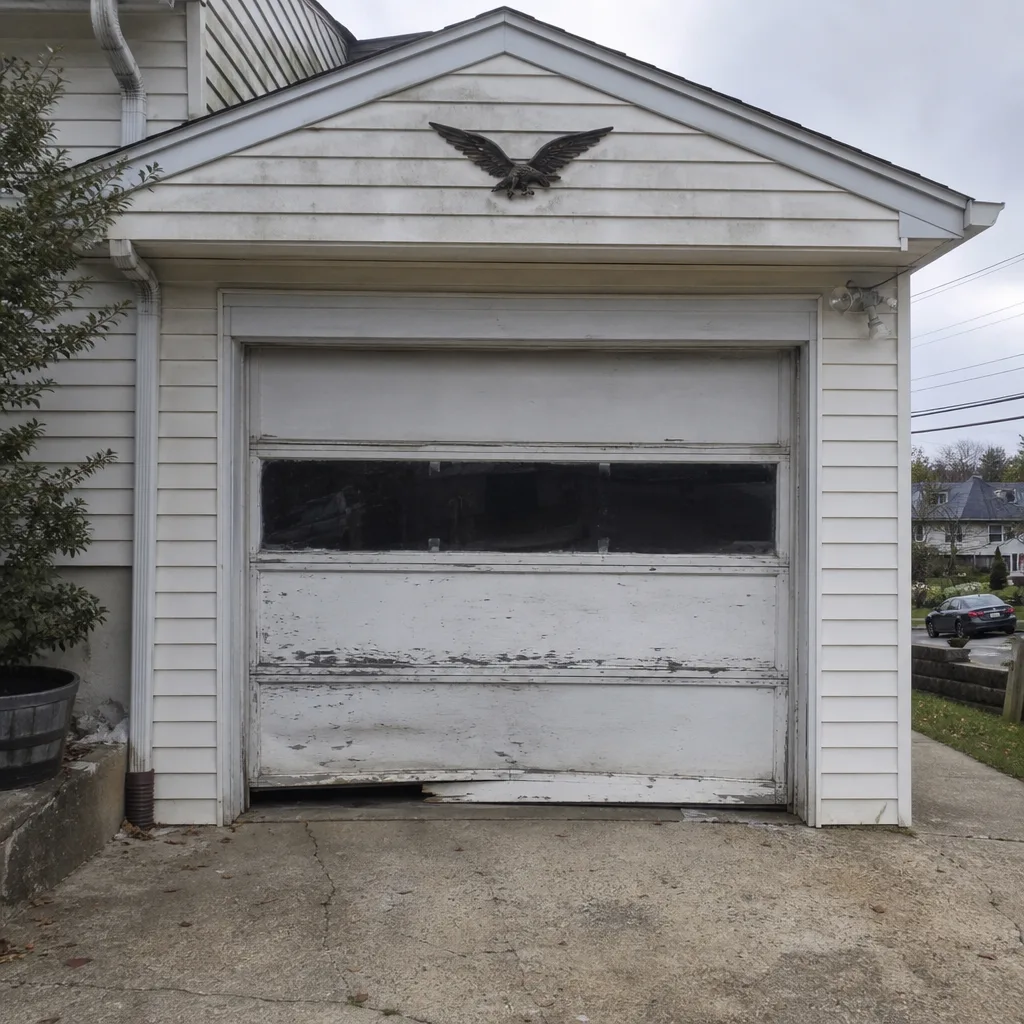 Before
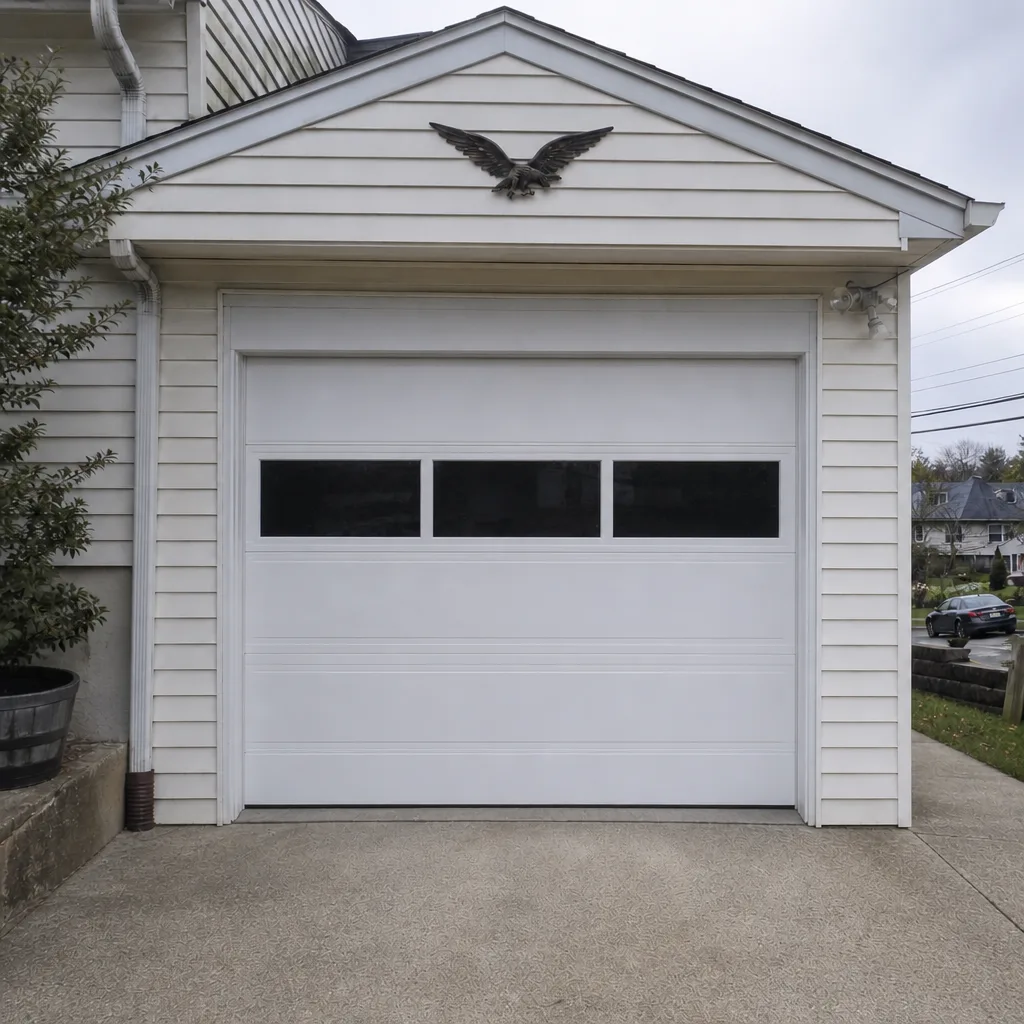 After
When to Call a Professional
Seasonal care covers the checks and the lubrication. The scenarios that need a technician are the ones where the door’s spring, cable, or track system is involved. Call us if you see a gap in a torsion spring, a door that sags or lifts unevenly, a frayed or slack cable, a door that’s off-track, or an opener that strains and won’t lift the door reliably in cold weather. Call us too if a humid-weather binding door won’t close fully or a fall balance check shows the door won’t hold position. Emergency garage door service is available for a door that’s stuck open, won’t close, or poses a security or safety risk; standard repairs we schedule around you. Yonkers Garage Door Repair Pros offers free estimates in Yonkers, and a written price is agreed before any work starts. We work on whatever brand you have, so there’s no need for a second call. Call (877) 492-2580.
Frequently Asked Questions
The spring inspection after freeze-thaw season is the most important round. It’s when springs fatigue, bottom seals fail, and track alignment shifts from a winter of repeated freezing and thawing, and it’s the round most homeowners skip.
It depends on what the inspection turns up. A seasonal inspection and lubrication is a routine service; if it uncovers worn weatherstripping, a torn bottom seal, or a tired spring, the repair is quoted separately. We give a written estimate before any work starts, so you know the price first. Call (877) 492-2580 for an exact quote; estimates are free.
No. An opener that strains in cold weather is usually telling you the door is binding, not that the opener needs more force. Raising the force setting masks the real problem and stresses the motor. That’s a job to hand to a technician.
March is when freeze-thaw cycles peak in Yonkers. Repeated freezing and thawing flexes the springs, cracks seals, and shifts the ground under the track, so a door that survived winter intact often fails as the thaw sets in.
No. Summer humidity swells wood and composite doors common in older Yonkers homes, and the door shrinks back in fall. Sanding the frame in summer leaves a gap by October. Check for binding, panel swelling, and finish breakdown instead, and call a technician if the door binds hard.
Yes. Yonkers Garage Door Repair Pros works on whatever brand you have, including LiftMaster, Chamberlain, Genie, Clopay, Amarr, Wayne Dalton, Craftsman, and Raynor. Our technicians have up to 10 years of experience diagnosing and repairing all major residential systems.
Yes. Emergency garage door service is available for a door that’s stuck open, won’t close, or poses a security or safety risk. Call (877) 492-2580 and we’ll get you on the schedule.
The Bottom Line
Yonkers weather doesn’t stress a garage door evenly, so one annual tune-up doesn’t cover it. The freeze-thaw cycles of March test springs and seals in a way January doesn’t, summer humidity moves wood and composite doors in ways winter never does, and the real payoff of a fall weatherstripping round is a door that doesn’t freeze shut all winter. The seasonal split is simple: seal and lubricate in fall, inspect springs, cables, and seals after freeze-thaw in spring, watch for humidity binding in summer, and adjust weatherstripping and opener sensitivity again before fall. If any round turns up a spring, cable, or track problem, that’s the point to bring in a trained technician rather than force an adjustment.
If a seasonal check or a winter morning turns up a door that won’t cooperate, we can help. Yonkers Garage Door Repair Pros provides garage door repair, spring repair, opener repair, and new door installation across all major brands. Call (877) 492-2580 for a free estimate and a written price agreed before any work starts.
Written by the team at Yonkers Garage Door Repair Pros.